CC0, Wikimedia Commons 1960
 Joseph-Désiré Mobutu, chief of staff of the Congolese army, announced that the military was stepping in to neutralise both President Kasa-Vubu and Prime Minister Lumumba, and handed the government to a College of Commissioners-General said to be temporary. Washington had by then concluded that Lumumba had to go, and the CIA station in Léopoldville was reporting a communist takeover in progress.
Sources: US Department of State, Office of the Historian ; France 24
Politics 2003 Guinea-Bissau President Kumba Ialá was ousted in a bloodless military coup led by General Veríssimo Correia Seabra.
Sources: IRIN News (UN OCHA, via ReliefWeb) ; Al Jazeera ; Frontiers in Political Science
Politics 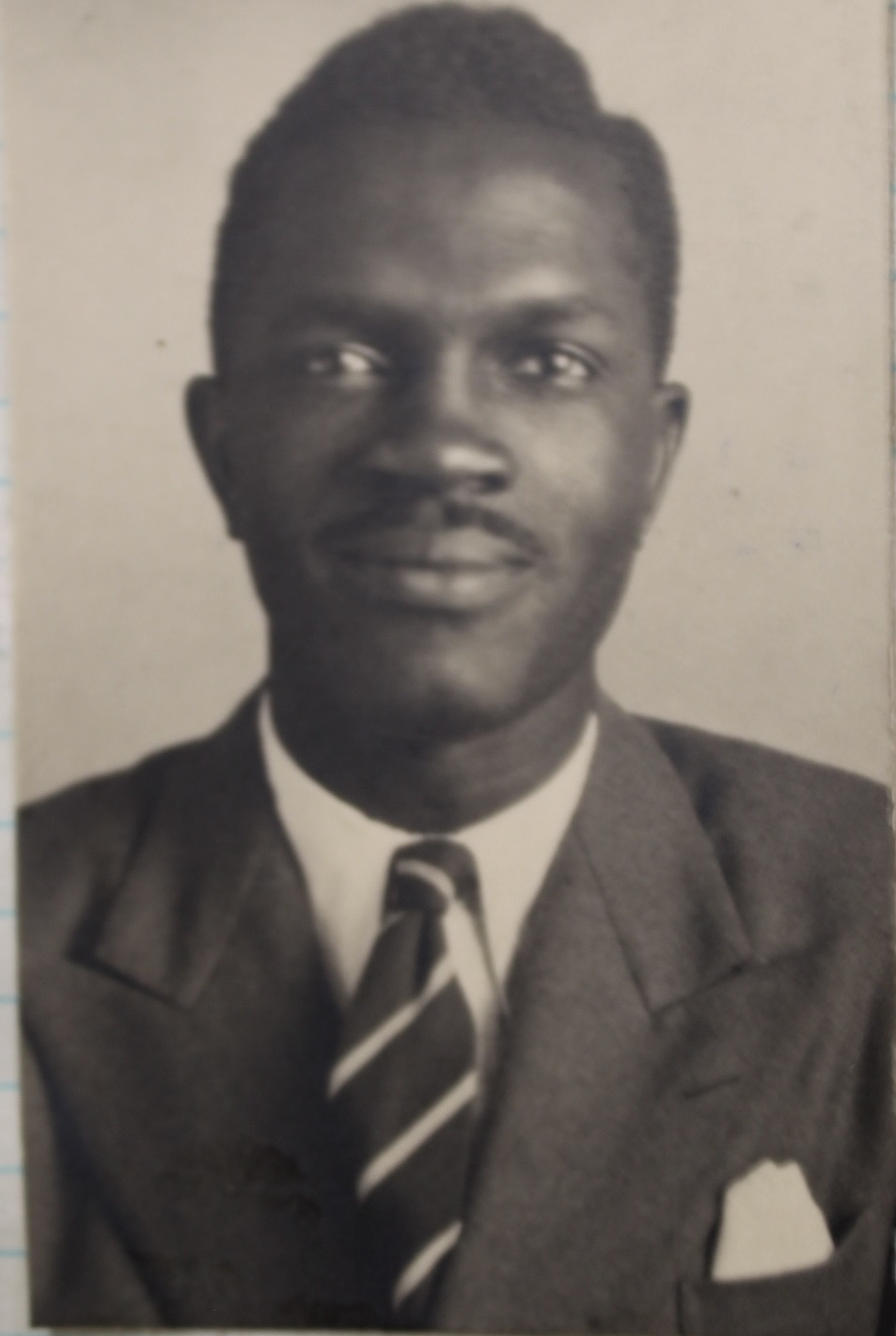 CC BY-SA 4.0, Wikimedia Commons 1924
 Abioseh Nicol, the Sierra Leonean physician, academic, and diplomat celebrated as one of West Africa's leading writers, was born in Freetown.
Sources: African Studies Centre Leiden ; Encyclopaedia Britannica
Birth  Photo by Iamowino — CC BY-SA 4.0, Wikimedia Commons 1961
 Freeman Mbowe, the Tanzanian opposition leader who led the Chadema party for two decades until 2025 and became a prominent voice against one-party dominance, was born.
Sources: The Chanzo ; BBC News
Birth  Public Domain, Wikimedia Commons 258
 Cyprian, the bishop of Carthage and influential early Christian theologian in Roman North Africa, was beheaded during Emperor Valerian's persecution of Christians.
Sources: Oxford University Press / Internet Archive (E. C. E. Owen, Some Authentic Acts of the Early Martyrs) ; Christian Classics Ethereal Library (Ante-Nicene Fathers, vol. 5) ; Encyclopaedia Britannica
Death 1994 Eugene Bullard, the only African-American combat pilot of World War I, was posthumously commissioned as a Second Lieutenant in the US Air Force.
Sources: Smithsonian National Air and Space Museum ; National Museum of the United States Air Force
History