1833 The Slavery Abolition Act received royal assent from the British Parliament, setting in motion the emancipation of more than 800,000 enslaved Africans across the British Empire the following year.
Sources: legislation.gov.uk ; The National Archives (UK) ; The Week ; The Guardian
History  Alexander Bassano — Public Domain, Wikimedia Commons 1879
 King Cetshwayo kaMpande, the last independent monarch of the Zulu Kingdom, was captured by British forces, effectively ending the Anglo-Zulu War.
Sources: Internet Archive (Great Britain War Office, Narrative of the Field Operations connected with the Zulu War of 1879, HMSO 1881) ; South African Military History Society ; South African History Online
History .jpg) U.S. News & World Report Collection, Library of Congress — Public Domain, Wikimedia Commons
U.S. News & World Report Collection, Library of Congress — Public Domain, Wikimedia Commons
1963 Martin Luther King Jr. delivered his "I Have a Dream" speech to some 250,000 people at the March on Washington for Jobs and Freedom, a landmark moment in the civil rights movement.
Sources: National Park Service ; NAACP
Culture 1955 Fourteen-year-old Emmett Till was abducted and lynched in Mississippi after being accused of offending a white woman, a killing that galvanized the American civil rights movement.
Sources: PBS Frontline ; Equal Justice Initiative ; National Park Service
History 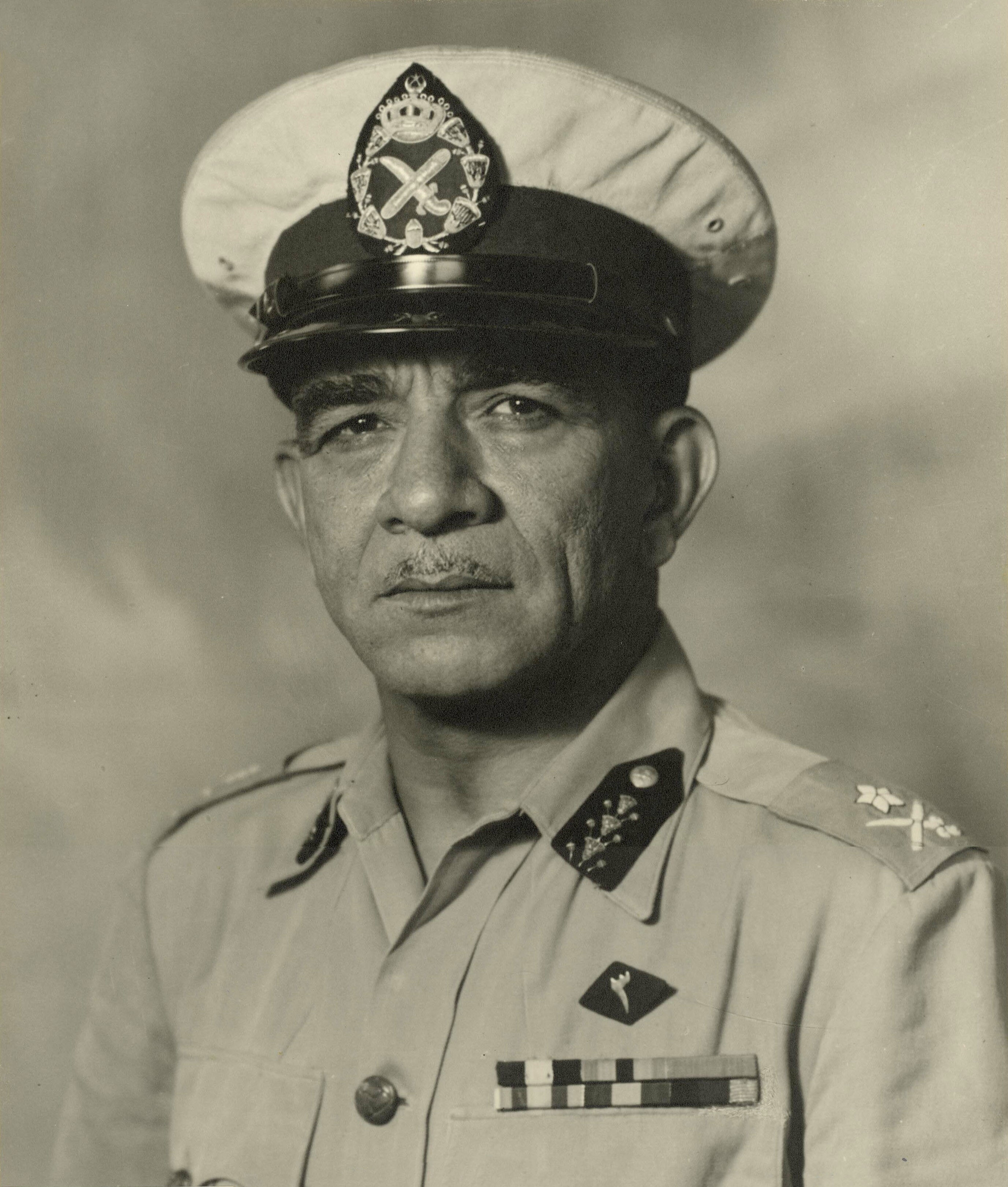 Public Domain, Wikimedia Commons 1984
 Muhammad Naguib died at 82 in a military hospital in Cairo. He had led the 1952 coup that removed King Farouk and became Egypt's first president, and after Nasser pushed him out in 1954 he spent years confined to a villa outside the city.
Sources: The Washington Post ; UPI
Death
2020 Chadwick Boseman, the American actor whose portrayal of T'Challa in "Black Panther" made him a global icon, died of colon cancer at age 43.
Sources: Los Angeles Times ; ABC News
Death