By Princewill Ubani · Published
Research ID: PA-ART-paul-biya-2018-seventh-term-cameroon
Paul Biya Wins a Seventh Term in Cameroon Amid an Anglophone Conflict
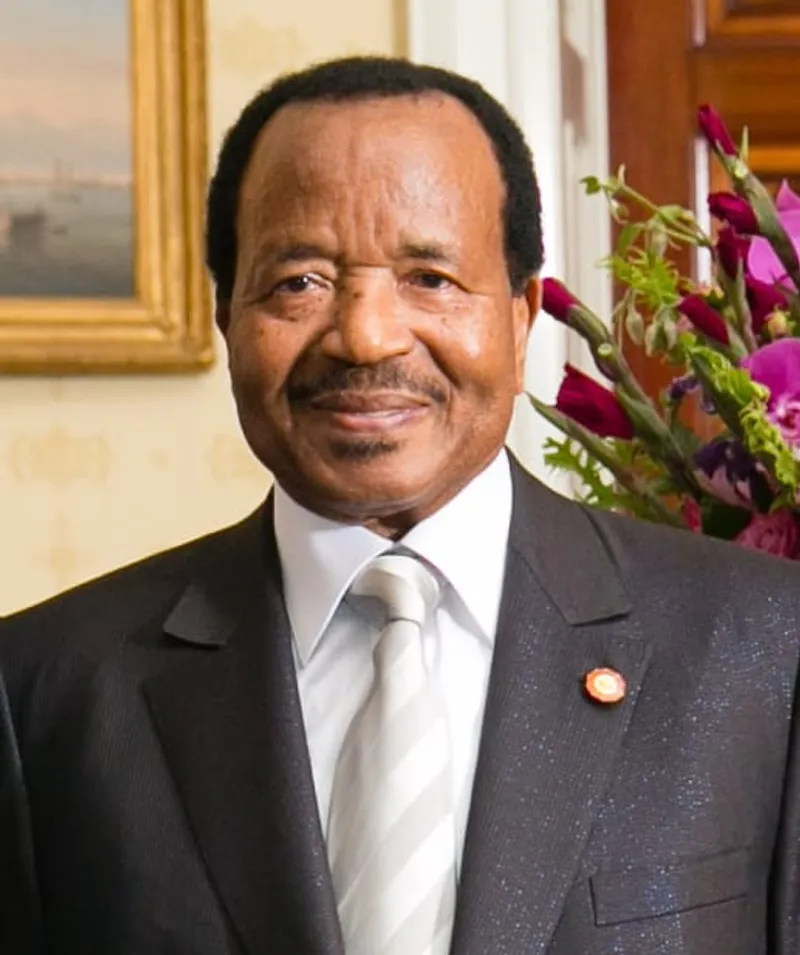
Cameroon’s Constitutional Council declared President Paul Biya the winner of a seventh term on Oct. 22, 2018, with 71.3% of the vote from the Oct. 7 election, far ahead of opposition candidate Maurice Kamto’s 14.2%. Council president Clement Atangana, whom Biya had appointed, called the election “free, fair and credible in spite of the security challenges in the English-speaking regions” and rejected all 18 legal challenges filed against the result.
Biya, then 85 and already sub-Saharan Africa’s oldest head of state, had governed Cameroon since 1982. The victory extended his rule to 36 years and put him on track to remain in office until at least age 92.
The vote took place against the backdrop of an armed conflict between Anglophone separatists and government security forces that had already driven more than 200,000 people from their homes in Cameroon’s English-speaking Northwest and Southwest regions. Turnout in those regions was severely depressed; witnesses reported gunfire in Buea, capital of the Southwest region, on election day, and the government deployed heavy troop numbers to major cities while banning opposition rallies. Despite the disruption, the Constitutional Council recorded Biya winning more than 75% of the vote in both Anglophone regions.
Kamto, who ran under the Cameroon Renaissance Movement banner, claimed victory based on his own campaign’s vote count and was branded an outlaw by the ruling party in response. In the two weeks between the vote and the official announcement, political tension rose sharply; an opposition march planned in Douala to protest what organizers called electoral fraud was banned, and roughly 30 people were arrested there.
Academic research into Biya’s durability, published in 2022 using Afrobarometer survey data, found that despite the Anglophone crisis and Boko Haram attacks in Cameroon’s north, a majority of Cameroonians, particularly French speakers, continued to approve of Biya’s performance, driven less by economic management than by trust in Biya personally and in members of parliament from their own regions.
Sources
- “Cameroon's Paul Biya 'Easily' Wins Seventh Term as President”, Al Jazeera.
- “2018 Country Reports on Human Rights Practices: Cameroon”, U.S. Department of State.
Books & Further Reading
Adrien M. Ratsimbaharison and Benn L. Bongang, "Understanding the Durability of the Paul Biya Regime in Cameroon: A Micro-Level Approach Using Afrobarometer's Round 7 National Survey," Current Research Journal of Social Sciences and Humanities, Vol. 5, No. 2 (2022), pp. 83-95, DOI: 10.12944/CRJSSH.5.2.04