By Princewill Ubani · Published
Research ID: PA-ART-africa-longest-serving-leaders-ranking
Africa's Longest-Serving Heads of State
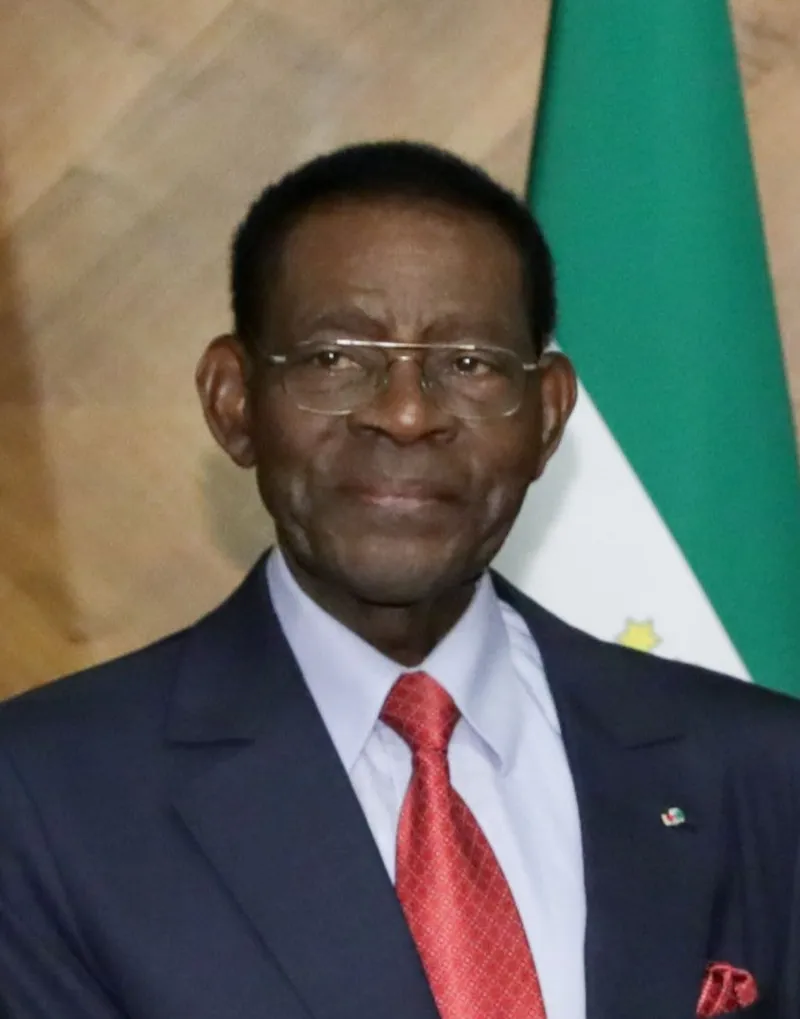
Teodoro Obiang Nguema Mbasogo of Equatorial Guinea holds a distinction that extends well beyond his own country: he is both Africa’s and, by most tallies, the world’s longest-serving head of state, having ruled since 1979, when he seized power in a coup that deposed and later led to the execution of his uncle, Francisco Macías Nguema.
Cameroon’s Paul Biya follows as the continent’s second-longest-serving leader, in office since 1982 and currently in his seventh consecutive term, making him, alongside his tenure, also the oldest sitting head of state in the world. Denis Sassou Nguesso of the Republic of the Congo occupies the next tier, with a combined 39 years in power spread across two separate periods, an initial run from 1979 to 1992 followed by a return to office in 1997 after a civil war restored him to the presidency, a non-consecutive tenure that complicates a simple year-count comparison with leaders who have held power continuously. Uganda’s Yoweri Museveni, in office since 1986, and Eritrea’s Isaias Afwerki round out the group most commonly cited as Africa’s five longest-serving current leaders.
A common thread runs through nearly all of these tenures: each leader either took power through a military coup or a civil-war victory rather than a competitive election, and each has governed within a political system offering limited space for organized opposition, whether through one-party rule, tightly controlled elections, or, in Eritrea’s case, a 1997 constitution that was ratified but never implemented, leaving the country without any national election since independence in 1993. Term limits, where they nominally existed on paper, were removed or amended by legislative or referendum action in most of these countries at some point during the leader’s tenure, a pattern repeated closely enough across the group that it functions as something close to a playbook for extending rule well beyond what most democratic constitutions anticipate.
The ranking shifts periodically as leaders die or are removed from office, and it has narrowed somewhat compared to earlier decades: several African leaders once counted among the world’s longest-serving, including Libya’s Muammar Gaddafi and Zimbabwe’s Robert Mugabe, were removed from power by 2017, leaving the current top tier concentrated in Central Africa and the Horn, regions where military and single-party rule have proven especially durable since independence.