By Princewill Ubani · Published
Research ID: PA-ART-hanno-navigator-mount-cameroon-eruption
Hanno the Navigator and the Ancient Sighting of Mount Cameroon Erupting
The Periplus of Hanno survives only as a Greek translation of a Punic inscription that, according to the text itself, was once displayed in a temple at Carthage, the original Phoenician-language account lost along with most of Carthage’s written record after Rome destroyed the city in 146 BC. What remains describes a Carthaginian admiral named Hanno leading a large fleet, the surviving text says 60 ships carrying some 30,000 colonists, down the Atlantic coast of West Africa sometime between the late 6th and 5th centuries BC, founding or provisioning a string of settlements along the way and pushing progressively farther south than any Mediterranean account before it.
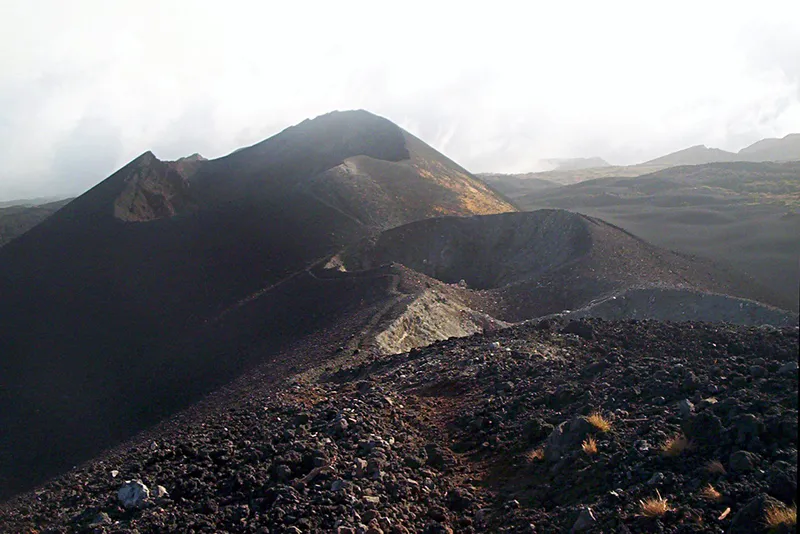
Near the end of the voyage, the Periplus describes sailing past “streams of fire” pouring into the sea at night beneath a peak the text calls Theon Ochema, “Chariot of the Gods,” flames reportedly visible reaching toward the stars. Volcanologists studying Mount Cameroon’s eruptive history, the only historically active volcano on Africa’s northwestern coast, generally credit this passage as the earliest dated observation of the mountain erupting, placing the event at roughly 450 BC and treating Hanno’s account as the oldest historically recorded eruption anywhere on the African continent, a distinction few volcanoes in the world can claim from a written source this old.
What remains genuinely unsettled among historians is not the volcano’s identity so much as exactly where along the coast Hanno was when he saw it, since the text alone does not fix the fleet’s position with certainty. Estimates of how far south the expedition ultimately traveled range from Sierra Leone to Cameroon to as far as Gabon, a several-thousand-kilometer spread reflecting both the loss of the original Punic document, including at least one missing section covering the account’s ending, and the possibility that the surviving Greek version altered geographic details, deliberately or not, since Carthage had every commercial incentive to keep its Atlantic trade routes obscure from rivals.
The Periplus left one more, unexpected legacy. Further along the coast, the text describes an island inhabited by hairy, aggressive beings the interpreters called “Gorillae,” three of whom, described as females, were captured, killed, and their skins brought back to Carthage. In 1847, the American missionary-naturalist Thomas Savage borrowed that ancient Greek term when formally describing a newly documented species of West African ape, giving the modern gorilla its name more than two thousand years after Hanno’s crew first used the word to describe whatever they actually encountered on that shore.
Sources
- “Hanno: Carthaginian Explorer”, World History Encyclopedia.
- “Cameroon volcano eruptions — eruptive history, info”, VolcanoDiscovery.
Books & Further Reading
Wilfrid H. Schoff (trans.), The Periplus of Hanno: A Voyage of Discovery down the West African Coast, by a Carthaginian Admiral of the Fifth Century B.C. (1912; reissued edition ISBN 9781500280581)