By Princewill Ubani · Published
Research ID: PA-ART-1279752322520883201
How Germany Beat Britain to Cameroon in 1884
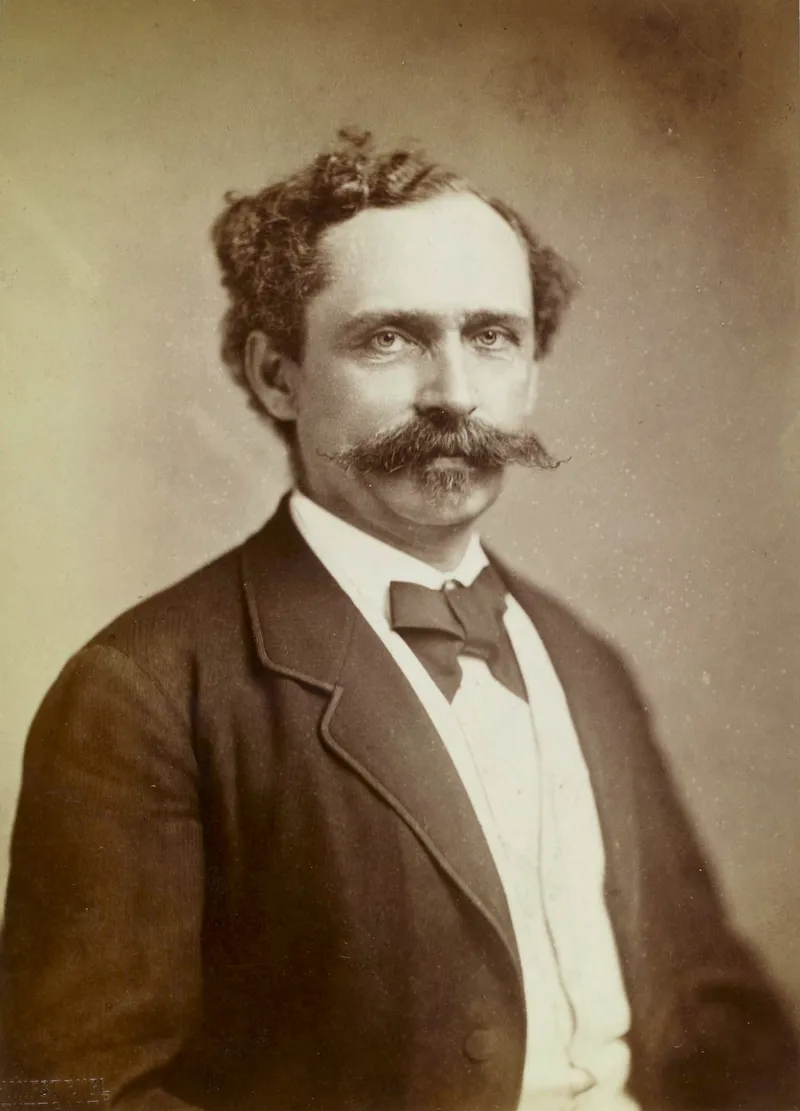
For decades before 1884, British traders and missionaries had operated along the Cameroon coast more or less unopposed, dominant enough that formal annexation seemed to Britain like something that could wait. Germany decided not to wait. On July 12, 1884, the German explorer and newly appointed Imperial Commissioner Gustav Nachtigal signed treaties with King Ndumbé Lobé Bell and King Akwa, the two most powerful local rulers on the Wouri River near what is now Douala, placing sovereignty over their territory in German hands. Germany formally proclaimed its protectorate, Kamerun, on August 17, 1884.
Nachtigal was an unusual choice for the job on paper but not in practice: a former military surgeon who had spent years crossing the Sahara and Sudan as an explorer, he had returned to Germany already famous before Chancellor Otto von Bismarck named him imperial commissioner for the West African coast in March 1884. His mission that year secured not only Cameroon but Togoland as well, making them the first two territories of a German colonial empire that Bismarck had only recently, and reluctantly, decided to pursue. According to historian Mark W. DeLancey, writing in Encyclopedia Britannica’s account of Cameroon’s colonial history, the annexation came “in spite of the predominant role of the British along the coast,” a gap between informal influence and formal claim that Germany simply moved faster to close.
The speed of the German move startled British officials, who scrambled to secure their own remaining footholds along the West African coast before other powers could claim them too. The following year, Britain formalized the Oil Rivers Protectorate over the Niger Delta to the west of Cameroon, a jurisdiction covering the coast east to Calabar that later evolved, through the Niger Coast Protectorate of 1893, into the Southern Nigeria Protectorate by 1900. Historians describe the 1885 protectorate as a direct reaction to Germany’s Cameroon and Togoland claims, driven partly by the Berlin Conference’s newly agreed rule that colonial claims required “effective occupation,” not just historical trading ties, to be recognized by other European powers.
German control over Cameroon did not remain unchallenged from within, either. The Duala kings’ 1884 treaty triggered decades of German efforts to push administrative and commercial control further inland, using force where local traders and rulers resisted the loss of their middleman role in coastal commerce, and establishing plantation agriculture in the southwest using systems of forced labor that cost many African workers their lives. German rule over Kamerun lasted just over three decades, ending when British, French and Belgian forces drove German colonial forces out during the First World War, after which the territory was split into British and French mandates that eventually became today’s Cameroon and, in part, the Nigerian state.
Sources
- “Cameroon - German Kamerun (1884-1916)”, Encyclopedia Britannica.
- “Oil Rivers”, Encyclopedia Britannica.
Books & Further Reading
Mark Dike DeLancey, Mark W. DeLancey, and Rebecca Neh Mbuh, Historical Dictionary of the Republic of Cameroon (Scarecrow Press, 5th ed., ISBN 9780810873995)