By Princewill Ubani · Published
Research ID: PA-ART-kagnew-battalion-ethiopia-korean-war
The Kagnew Battalions: Ethiopia's Soldiers in the Korean War
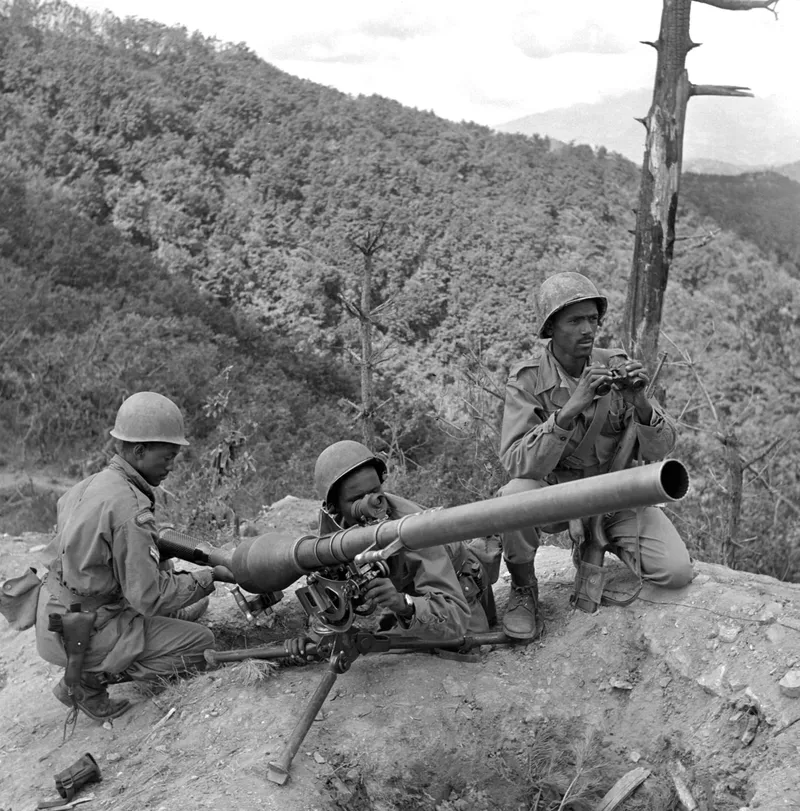
When North Korea invaded South Korea in June 1950, Emperor Haile Selassie I committed troops from the one force in Ethiopia he trusted most with the assignment: his own Imperial Bodyguard, the 1974 revolution that deposed him covered in full in “The 1974 Ethiopian Revolution and the Fall of Haile Selassie”. The first battalion, roughly 1,122 soldiers, sailed from Djibouti and landed at Pusan in May 1951, the start of a rotation that would see three successive battalions serve in Korea between 1951 and 1954, with a small final Ethiopian contingent not withdrawing until January 1965. In total, close to 3,158 Ethiopian soldiers served under the name Kagnew, an Amharic word associated with Ethiopian battlefield valor.
The U.S. Army, according to accounts of their arrival, had expected to need to train the Ethiopians in modern combined-arms warfare before committing them to the line. Instead, the Kagnews were found combat-ready and were attached directly to the U.S. 7th Infantry Division’s 32nd Infantry Regiment, where they went on to fight in engagements including the defense of Pork Chop Hill in 1953. Sources place the number of separate combat engagements at 238, a somewhat lower figure than the round number of “253 battles” that circulates in popular retellings of the Kagnew story, though the underlying point, that Ethiopian troops fought repeatedly and continuously across nearly three years of rotation, holds either way.
The battalions’ casualty and captivity record is well documented and consistent across sources: 121 Ethiopian soldiers were killed and roughly 536 wounded in Korea, and by the war’s end, the Kagnew Battalions were the only United Nations Command contingent with no soldiers to reclaim as prisoners of war, because none had ever been captured, gone missing, or surrendered. All three battalions were awarded the U.S. Presidential Unit Citation for their service, an honor recognizing sustained battlefield conduct that historian Dagmawi Abebe’s 2019 study of the unit, drawing on Ethiopian and American archival material, credits with reversing early American skepticism about how an African imperial guard regiment would perform in a modern, mechanized war.
Sources
- “"Kagnew Battalion: Ethiopia in the Korea War 1950-1953" (ResearchGate)”.
- “Remembering the 'Ghosts' of Ethiopia's Kagnew Battalions”, Africa Defense Forum (U.S. Africa Command).
- “Background of Participation and Activity of Each Force: Ethiopia”, Ministry of Patriots and Veterans Affairs, Republic of Korea.
Books & Further Reading
Dagmawi Abebe, Emperor's Own: The History of the Ethiopian Imperial Bodyguard Battalion in the Korean War (Asia@War series, Helion & Company, 2019), ISBN 9781912866311