By Princewill Ubani · Published
Research ID: PA-ART-durban-port-southern-africa-trade-gateway
How Durban Overcame a Killer Sandbar to Become Southern Africa's Busiest Port
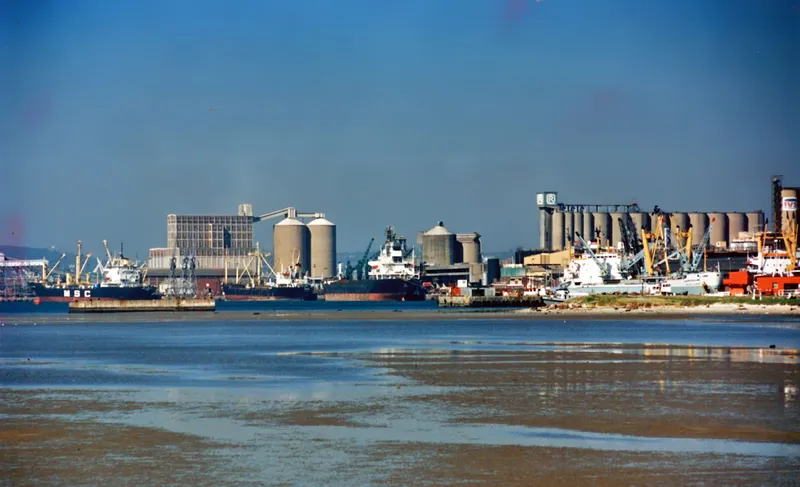
Durban’s harbour began in 1824 as a British trading post on the shore of a natural bay the Zulu called eThekwini, “place at the bay,” after Lt. Francis Farewell secured land from Zulu King Shaka to build it, the king after whom Durban’s airport is named covered in full in “Why Durban’s Airport Carries the Zulu King’s Name”. The settlement kept the name Port Natal for more than a decade before it was granted official town status on June 23, 1835, and renamed Durban after Sir Benjamin D’Urban, then governor of the Cape Colony.
The bay itself was a poor excuse for a harbor for most of the 19th century. A shifting sandbar sat across the entrance channel, leaving as little as 2 to 6 feet of water at low tide, shallow enough that early observers doubted any real vessel could cross it safely. Construction on breakwaters meant to scour the channel deeper began in 1857, and according to Durban’s local history museums, the bar “challenged many eminent engineers” for more than 60 years before sustained dredging finally opened the entrance to deep-draft ships.
That transformation turned a barely navigable inlet into what is today the busiest port in southern Africa by volume of sea traffic, according to the maritime trade publication Africa Ports. About 60% of all containers handled at South Africa’s ports move through Durban alone, a concentration that makes it the country’s principal gateway for imports and exports even as newer facilities have opened elsewhere on the coast.
The port’s growth reshaped the city around it as much as it reshaped the bay. Academic research on Durban’s docks, including labor historian Ralph Callebert’s study of the Zulu workers who staffed them through much of the 20th century, has traced how the harbor pulled in migrant labor from rural KwaZulu-Natal households even as the port itself grew into one of the largest employers in the region.
Sources
- “Durban”, Africa Ports.
- “Our History”, Durban Local History Museums.
- “Durban: South Africa's Eastern Port”, Shipping Wonders of the World.
Books & Further Reading
Ralph Callebert, On Durban's Docks: Zulu Workers, Rural Households, Global Labor (University of Rochester Press, 2017, ISBN 9781580469074)