By Princewill Ubani · Published
Research ID: PA-ART-tanganyika-independence-december-9-1961
Tanganyika's Independence, December 9, 1961
On This Day: December 9 · December 9 · April 26
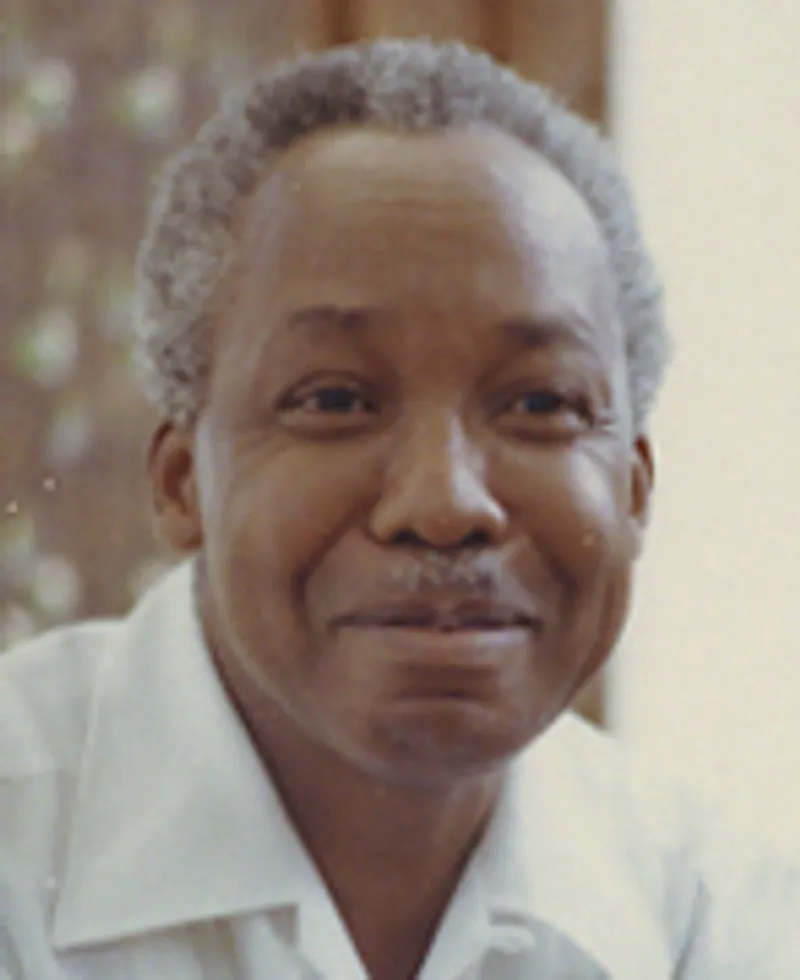
Tanganyika, the mainland territory that would later become part of Tanzania, gained independence from Britain on December 9, 1961. Julius Nyerere, who had founded the Tanganyika African National Union (TANU) in 1954 and built it into the dominant vehicle for the independence movement, became the country’s first prime minister. Unlike several other African independence struggles of the era, Tanganyika’s path to self-rule was largely peaceful, achieved through negotiation and TANU’s success at the ballot box rather than armed conflict, a trajectory helped by the territory’s status as a United Nations Trust Territory, administered by Britain under a mandate that obligated it to prepare Tanganyika for eventual self-government.
Independence in December 1961 initially arrived with Tanganyika as a self-governing member of the Commonwealth under Queen Elizabeth II as head of state, represented locally by a governor-general. That arrangement lasted exactly one year: on December 9, 1962, Tanganyika became a republic, and Nyerere, who had briefly stepped back from the premiership to focus on party organizing, returned to government as the country’s first president. Nyerere quickly became known by the Swahili honorific “Mwalimu,” meaning teacher, a reference to his earlier career and to the moral authority he held over the independence movement, and he began developing Ujamaa, his philosophy of African socialism built around collective rural development and self-reliance, which would define Tanzanian domestic policy for the following two decades.
The union that gave the country its present name came less than three years after Tanganyika’s independence. In January 1964, a revolution on the nearby islands of Zanzibar overthrew the Sultan’s government shortly after Zanzibar had itself gained independence from Britain, installing a new revolutionary regime under Abeid Karume. Within months, Nyerere and Karume negotiated a merger of the two states: Tanganyika and Zanzibar formally united on April 26, 1964, forming the United Republic of Tanganyika and Zanzibar, which was renamed the United Republic of Tanzania later that same year. Nyerere became president of the combined state, while Zanzibar retained its own local government and a significant degree of autonomy within the union, an arrangement that has periodically generated political friction but has held, making Tanzania one of the few lasting political unions produced by African decolonization.
Nyerere led Tanzania for more than two decades after the 1964 union, stepping down voluntarily as president in 1985, a rare instance of a founding independence leader relinquishing power without being forced out by coup, death in office, or defeat, a tenure whose wider regional role, alongside his eventual death, is covered in full in “Julius Nyerere’s Death and His Role in Southern Africa’s Liberation Struggles”.
Sources
- “Tanzania gains independence”, South African History Online.
- “Tanzania Gains Independence From Britain”, African American Registry.
- “Tanganyika, colonial history and independence”, Britannica.
- “History of Tanzania: The United Republic”, Britannica.
- “Tanganyika and Zanzibar: Tanzania's 60-year-old union may need a restructure”, The Conversation.
Books & Further Reading
Paul Bjerk, Building a Peaceful Nation: Julius Nyerere and the Establishment of Sovereignty in Tanzania, 1960-1964 (University of Rochester Press, 2015, ISBN 9781580465052)