
By Princewill Ubani · Published
Research ID: PA-ART-sankara-confronts-mitterrand-apartheid-1986
Sankara Confronts Mitterrand Over Apartheid, Ouagadougou 1986
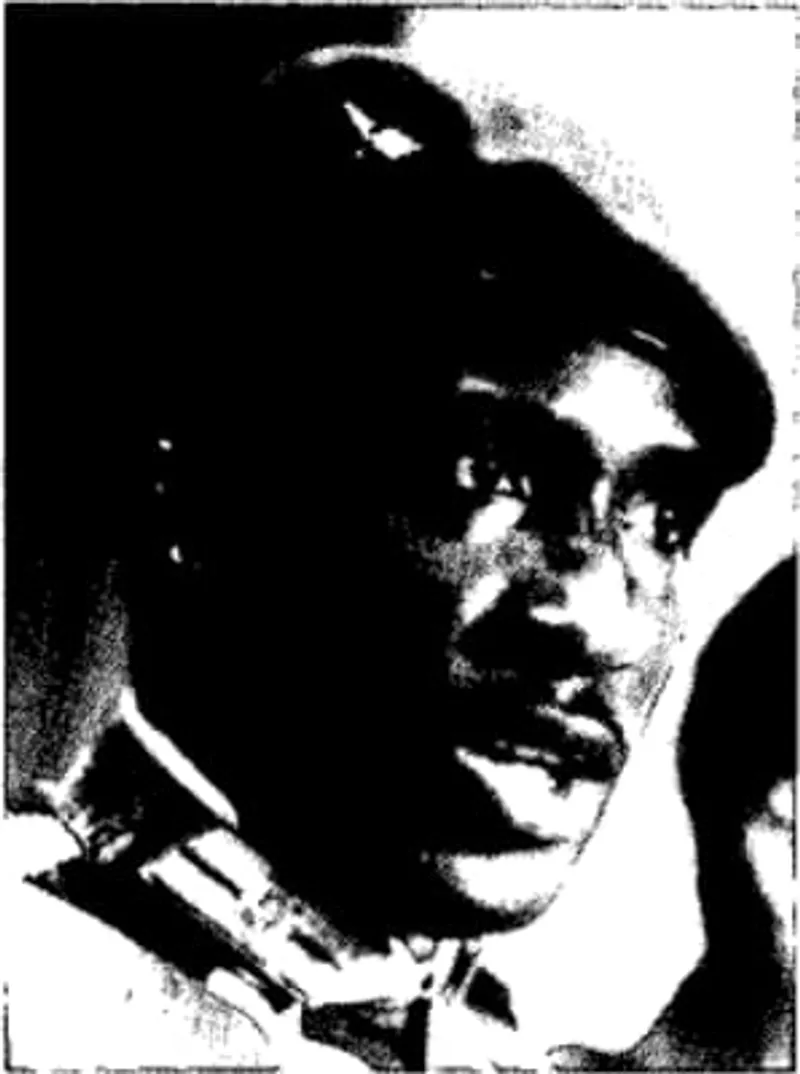
On November 17, 1986, two days after a France-Africa summit in Lomé, Togo, French president François Mitterrand traveled to Ouagadougou for a state visit hosted by Thomas Sankara. At the official dinner that evening, Sankara set aside diplomatic convention and directly challenged his guest in front of the assembled press and dignitaries. According to the London Review of Books’ account of the scene, Sankara stood to address a seated Mitterrand and asked how France could tolerate the free movement of men he described in unsparing terms: “we have not understood how bandits such as Jonas Savimbi, killers like Pieter Botha, have had the right to rove across France,” their hands, he said, “stained… with blood.” Savimbi led UNITA, the Angolan rebel movement that had received South African and American backing in the civil war; Botha was apartheid South Africa’s president, presiding over a government responsible for mass detention and killing of anti-apartheid activists.
Mitterrand did not simply absorb the criticism. He rose to respond, and according to his own government’s published record of the evening, acknowledged the discomfort directly: “C’est un homme un peu dérangeant le Président Sankara ! C’est vrai, il vous titille, il pose des questions… avec lui, il n’est pas facile de dormir en paix : il ne vous laisse pas la conscience tranquille” (roughly, “President Sankara is a rather disturbing man. He does provoke you, he asks questions… with him, it isn’t easy to sleep peacefully; he doesn’t let your conscience rest easy”). The London Review of Books’ account adds a physical detail to that verbal parry: Mitterrand placed “an avuncular hand on Thomas’s shoulder,” and Sankara “laughed but didn’t look up.” In the same speech, Mitterrand went on to state plainly that “l’apartheid est inacceptable et doit être combattu” (apartheid is unacceptable and must be fought) and affirmed Namibia’s right to self-determination, positioning France, at least rhetorically, on the same side of the apartheid question as his host, even while defending France’s broader record on Africa policy and development aid.
Sankara challenged far more powerful heads of state on other occasions too, a habit that extended well beyond this one dinner: this site covers his direct critique of Africa’s colonial-era debt at the July 1987 Organisation of African Unity summit in Sankara’s Debt Speech to the OAU and His Assassination Three Months Later, and the coup that killed him three months after that speech in The CIA’s 1986 Warning and the Coup That Killed Thomas Sankara, along with a companion piece on Sankara’s final months in his own words.
Sources
- “Brian J. Peterson, *Thomas Sankara: A Revolutionary in Cold War Africa* (Indiana University Press, JSTOR)”.
- “Allocution de M. François Mitterrand... Ouagadougou, lundi 17 novembre 1986”, Élysée (French Presidency archive).
- “Short Cuts: Sankara and Mitterrand, by Alexandra Reza”, London Review of Books.
- “Sankara retrouve Mitterrand”, Jeune Afrique.
Books & Further Reading
Brian J. Peterson, Thomas Sankara: A Revolutionary in Cold War Africa (Indiana University Press, 2021, ISBN 9780253053763)