
By Princewill Ubani · Published
Research ID: PA-ART-obafemi-awolowo-1966-prison-release
Chief Obafemi Awolowo's Release From Prison, August 1966
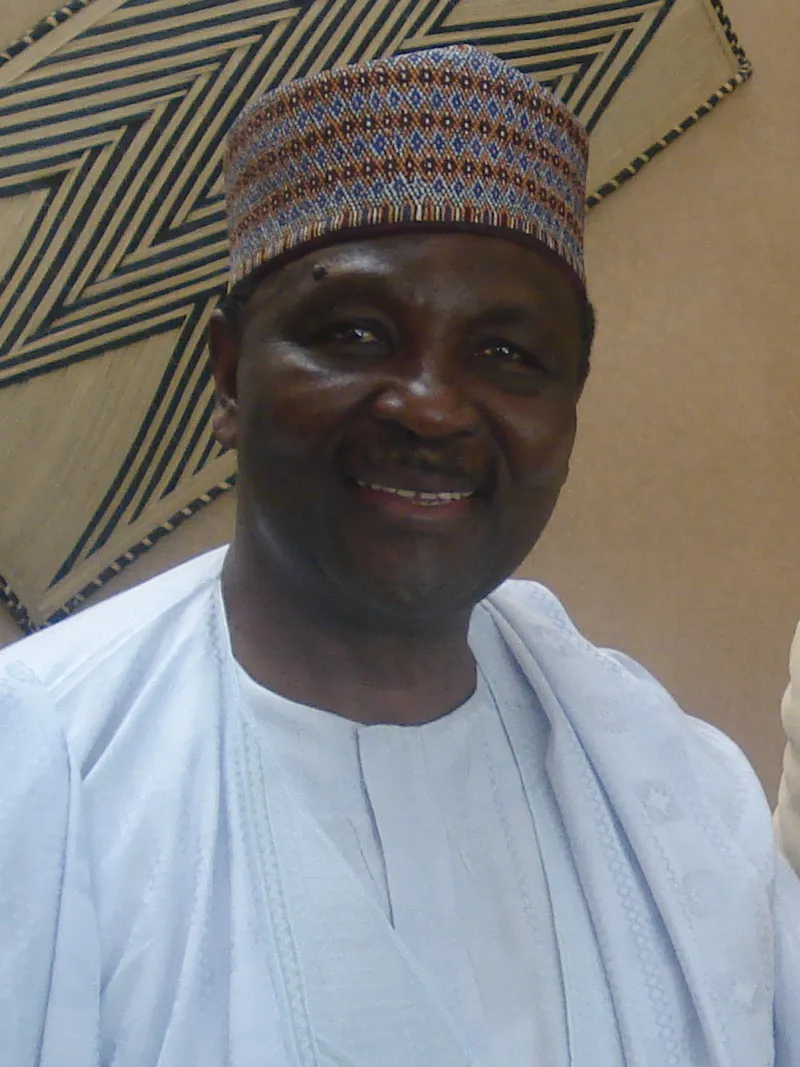
Obafemi Awolowo, premier of Nigeria’s Western Region from 1954 to 1960 and one of the country’s most prominent independence-era politicians, was convicted in September 1963 by the Federal High Court on charges of treasonable felony, conspiracy to overthrow the federal government, and illegal possession of arms. Prime Minister Abubakar Tafawa Balewa’s government brought the case, and many of Awolowo’s supporters have long maintained the prosecution was politically motivated, aimed at sidelining one of the federal government’s most effective opponents rather than responding to a genuine plot. He was sentenced to ten years and imprisoned.
His release came abruptly, tied directly to Nigeria’s violent political upheaval that year, covered in fuller detail in this site’s piece on how the CIA watched Nigeria’s 1966 crisis unfold. Within days of Yakubu Gowon taking power as head of state following the July 29, 1966 counter-coup, he ordered Awolowo freed, on August 2 or 3, 1966 (sources vary on the exact date), roughly three years into the ten-year sentence. The new military government soon brought Awolowo directly into its leadership, appointing him Federal Commissioner for Finance and Vice-Chairman of the Federal Executive Council, positions he held through the Nigerian Civil War that followed the Eastern Region’s 1967 secession as Biafra.
Awolowo’s record in that finance role during the war remains genuinely contested in Nigerian political memory. His defenders point to his stewardship of federal finances without foreign borrowing during the conflict and credit him with the concept behind Nigeria’s naira currency, introduced after his tenure. His critics, drawing substantially on Chinua Achebe’s account in his memoir “There Was a Country,” have characterized his wartime economic policy as deliberately punitive toward the breakaway Eastern Region, a characterization Awolowo’s own supporters, including former associates like Ayo Adebanjo, have publicly and forcefully disputed as a distortion of a man who, they argue, worked to keep the federation intact rather than to punish it. That dispute over his civil war legacy remains unresolved in Nigerian public memory, decades after his death in 1987, in a way his 1966 release from prison, by contrast, is not.
Sources
- “Review of Olayiwola Abegunrin's *The Political Philosophy of Chief Obafemi Awolowo* (Project MUSE)”.
- “Obafemi Awolowo: From Visionary Leader to Political Prisoner and Back”, Historical Nigeria.
- “Obafemi Awolowo”, ZODML (Zenith Online Digital Media Library).
- “Echoes of 1966: Some Igbo are lying over Awolowo's civil war role - Adebanjo”, Vanguard.
Books & Further Reading
Olayiwola Abegunrin, The Political Philosophy of Chief Obafemi Awolowo (Lexington Books, 2015, ISBN 9781498515894)