
By Princewill Ubani · Published
Research ID: PA-ART-cia-assessment-nigeria-1966-crisis
How the CIA Watched Nigeria's 1966 Crisis Unfold in Real Time
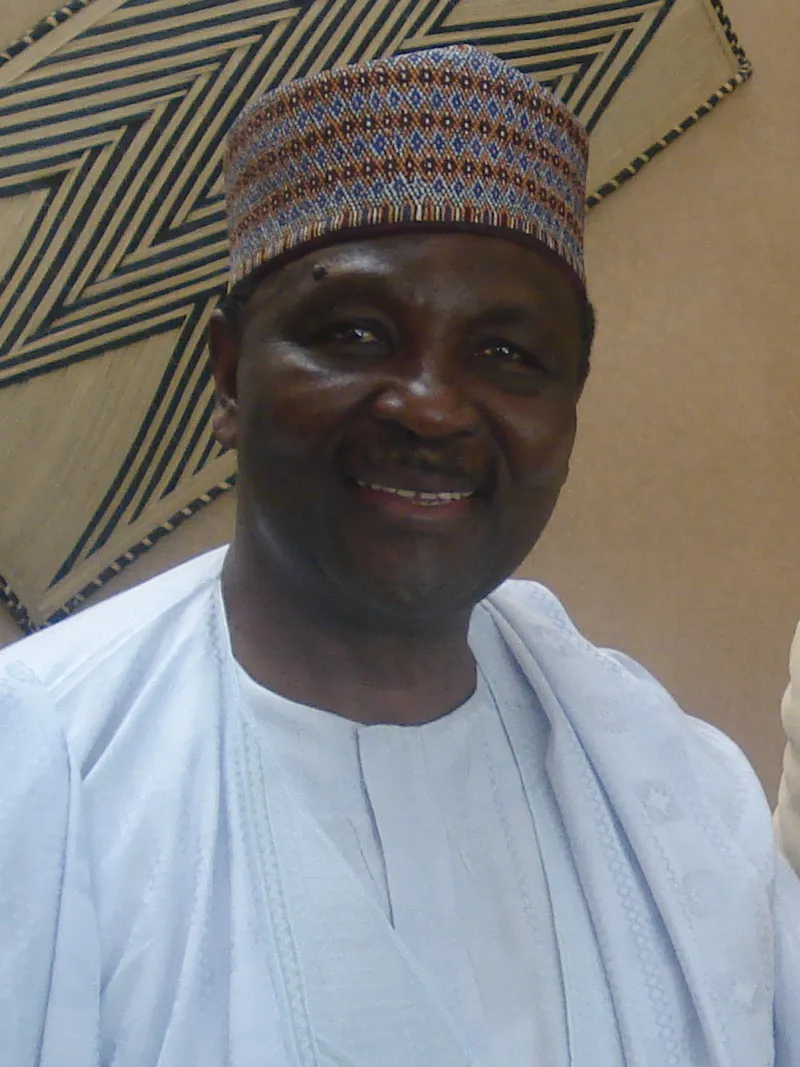
Nigeria’s descent into civil war unfolded over 1966 in stages that American intelligence tracked closely and, according to now-declassified CIA reporting, understood with striking clarity well before the country’s political leaders publicly acknowledged how far the crisis had gone. It began on January 15, when a group of army officers, nine of the ten plotters Igbo and led by Chukwuma Kaduna Nzeogwu, killed prime minister Abubakar Tafawa Balewa along with the premiers of Nigeria’s northern and western regions, while sparing Igbo political leaders, a pattern that fed suspicion in the north that the coup had been an ethnic power grab rather than the anti-corruption uprising its plotters claimed. General Johnson Aguiyi-Ironsi, an Igbo officer, took power in the coup’s aftermath and moved to abolish Nigeria’s federal structure in favor of a unitary state, a decision northern officers and civilians read as confirmation that southern, and specifically Igbo, domination of the country was underway.
The retaliation came on July 29, 1966. Northern officers, among them Murtala Muhammed, launched a counter-coup that killed Ironsi and more than 240 southern, mostly Igbo, military personnel across multiple barracks in coordinated mutinies. Yakubu Gowon emerged as the new head of state. The violence did not stay confined to the barracks: from late July through October 1966, mobs killed an estimated 8,000 to 30,000 Igbo civilians in northern cities including Kano, Kaduna and Jos, driving close to a million Igbos to flee back to Nigeria’s Eastern Region in one of the largest internal displacements in the country’s history. CIA assessments from this period, held in the agency’s declassified reading room under titles including “Nigeria: Government Under Siege” and “Eastern Nigeria on the Brink of Secession,” tracked the deteriorating situation directly, concluding that Igbo civilians had come to believe, in the assessment’s own summary of the mood, that “it is no longer possible to live or work in the North or anywhere else outside the East as long as Northerners dominate the federal government.”
That conclusion proved prophetic. Eastern Region military governor Chukwuemeka Odumegwu-Ojukwu, under mounting pressure from a population that had just survived a massacre most of Nigeria’s federal government seemed unwilling or unable to stop, pushed for radically increased regional autonomy through the following months. When those demands went unmet, he declared the Eastern Region’s independence as the Republic of Biafra on May 30, 1967, a declaration Nigeria’s federal government refused to accept, opening a civil war that would last 30 months and kill more than a million people, most from the famine and blockade that came to define Biafra’s final years, its ending covered in full in “The End of the Nigerian Civil War and Gowon’s ‘No Victor, No Vanquished’ Policy”. Washington’s own intelligence services had, months before that declaration, already concluded the country was heading somewhere close to exactly where it went.
Sources
- “Eastern Nigeria on the Brink of Secession”, CIA Freedom of Information Act Electronic Reading Room.
- “Nigeria: Government Under Siege”, CIA Freedom of Information Act Electronic Reading Room.
- “Threat of Secession”, ACCORD (African Centre for the Constructive Resolution of Disputes).
- “Nigeria's bloodiest military coup: All you need to know about the July 29, 1966 counter-coup”, Pulse Nigeria.
Books & Further Reading
Max Siollun, Oil, Politics and Violence: Nigeria's Military Coup Culture (1966-1976) (Algora Publishing, 2009, ISBN 9780875867083)