
By Princewill Ubani · Published
Research ID: PA-ART-mko-abiola-june-12-election-death-1998
MKO Abiola: The 1993 Election He Won, and His Death in Custody in 1998
On This Day: July 7
On June 12, 1993, Nigeria held what observers at the time and historians since have widely regarded as its freest and fairest presidential election on record. Moshood Kashimawo Olawale Abiola, a wealthy Lagos businessman running under the Social Democratic Party, defeated Bashir Tofa of the National Republican Convention by an unofficial count of roughly 8.34 million votes to 5.95 million, carrying even Tofa’s home state of Kano and becoming the first southern Muslim candidate to build a genuinely national coalition. Eleven days later, on June 23, the military government of General Ibrahim Babangida annulled the results outright, citing alleged irregularities that were never substantiated in any credible independent review.
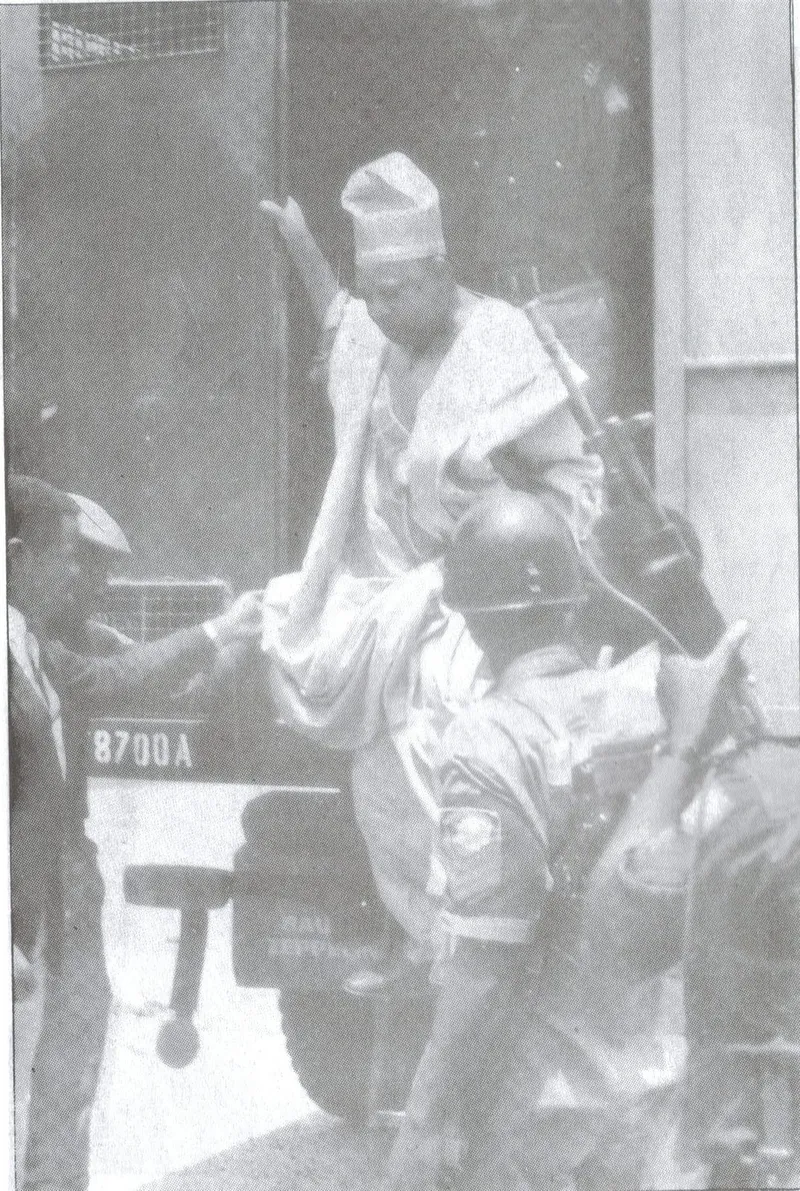
Abiola spent the following year pressing his claim to the presidency he had evidently won, and in 1994, after publicly declaring himself Nigeria’s rightful head of state, he was arrested for treason under the government of General Sani Abacha, who had seized power in the interim and whose own increasingly paranoid rule is covered in “The 1997 ‘Phantom Coup’: Abacha’s Arrest of His Own Deputy, Oladipo Diya”. He remained in detention for four years. On July 7, 1998, with his release reportedly imminent following Abacha’s own sudden death weeks earlier, Abiola met at a government guesthouse in Abuja with a visiting American delegation that included Assistant Secretary of State Susan Rice and Under Secretary of State Thomas Pickering. During that meeting he suddenly collapsed, and he died shortly afterward in hospital.
The death immediately drew accusations of foul play, including claims from Abiola’s family that members of the American delegation had somehow poisoned him. To address the suspicion directly, an independent, multinational team of pathologists from Nigeria, the United States, Britain, and Canada examined the case, publishing findings on July 11, 1998, through Canadian coroner Dr. James G. Young: Abiola had advanced cardiovascular disease, with severely narrowed coronary arteries and a heart enlarged by long-term untreated hypertension, and the team found no evidence supporting the poisoning claims. His death nonetheless triggered riots in Lagos; June 12 was formally recognized decades later as the country’s official Democracy Day. In a striking coda, former military ruler Ibrahim Babangida himself acknowledged in a memoir published in 2025 that “there was no doubt that MKO Abiola won the June 12 election,” a public admission, more than three decades after the fact, from the very man who annulled it.
Sources
- “"Democracy Denied: MKO Abiola, Elite Complicity, and the Institutional Collapse of Nigeria's 1993 Election" (ResearchGate)”.
- “The Stolen Victory and Mysterious Death of Moshood Abiola”, Association for Diplomatic Studies and Training.
- “MKO Abiola died of heart attack, not poison – Gen. Abubakar”, Vanguard News.
Books & Further Reading
Toyin Falola and Matthew M. Heaton, A History of Nigeria (Cambridge University Press, 2008, ISBN 9780521681575)