By Princewill Ubani · Published
Research ID: PA-ART-lekki-toll-gate-shooting-endsars
The Lekki Toll Gate Shooting and the Nigerian Government's Denial
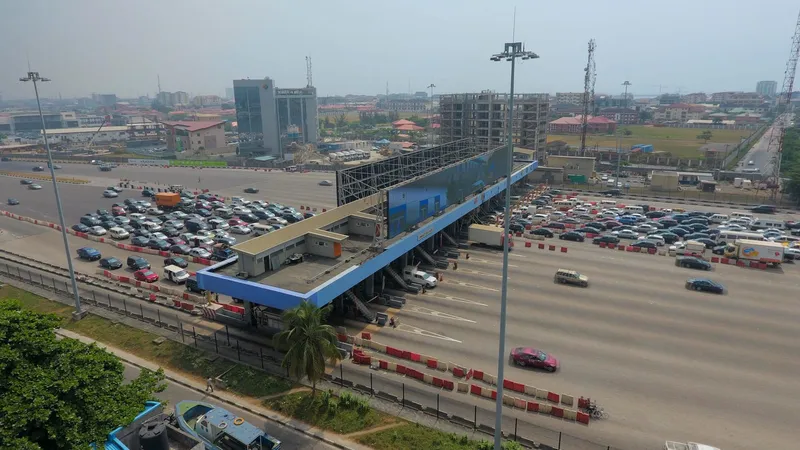
On the evening of October 20, 2020, at around 6:50 p.m., members of the Nigerian Army opened fire on unarmed demonstrators at the Lekki Toll Gate in Lagos, a protest site that had become a focal point of the #EndSARS movement against police brutality. The shooting came shortly after Lagos State authorities had imposed a curfew, and multiple accounts from the scene described protesters singing the national anthem and waving Nigerian flags when soldiers began firing.
The immediate death toll was disputed from the start. Amnesty International reported that the Nigerian army and police killed at least 12 peaceful protesters that night across two Lagos locations, while video and eyewitness accounts circulating on social media suggested a higher toll amid chaotic, poorly lit conditions at the toll gate itself. Nigeria’s government initially disputed that any shooting had occurred at all, with the country’s information minister at one point describing reports of the incident as a “phantom massacre,” a denial that held for months despite widely circulated video evidence.
A Lagos State Judicial Panel of Inquiry and Restitution, convened to investigate the shooting and broader #EndSARS-related abuses, issued its findings in November 2021, more than a year after the event. The panel concluded that Nigerian Army personnel had “shot, injured and killed unarmed, helpless and defenseless protesters, without provocation or justification,” explicitly characterizing the assault as a massacre. Its final tally documented 11 confirmed deaths, four additional people missing and presumed dead, and 48 total casualties, including gunshot wounds and assaults, figures the panel described as likely incomplete given the difficulty of tracing every victim from that night.
The shooting became one of the defining moments of the broader #EndSARS protests, a youth-led movement that had begun weeks earlier demanding the disbandment of the Nigerian police’s Special Anti-Robbery Squad over long-documented abuses, and that the Lekki shooting effectively escalated into a national reckoning over state violence against civilians. Rights groups including Amnesty International continued, more than a year after the shooting, to describe the Nigerian government’s handling of the case as an ongoing cover-up, pointing to the slow pace of the judicial panel’s work and the absence of any criminal prosecutions tied directly to the shooting itself.