
By Princewill Ubani · Published
Research ID: PA-ART-idi-amin-telegrams-kissinger-nixon-1973
Idi Amin's 1973 Telegrams Mocking Kissinger's Vietnam Peace Deal
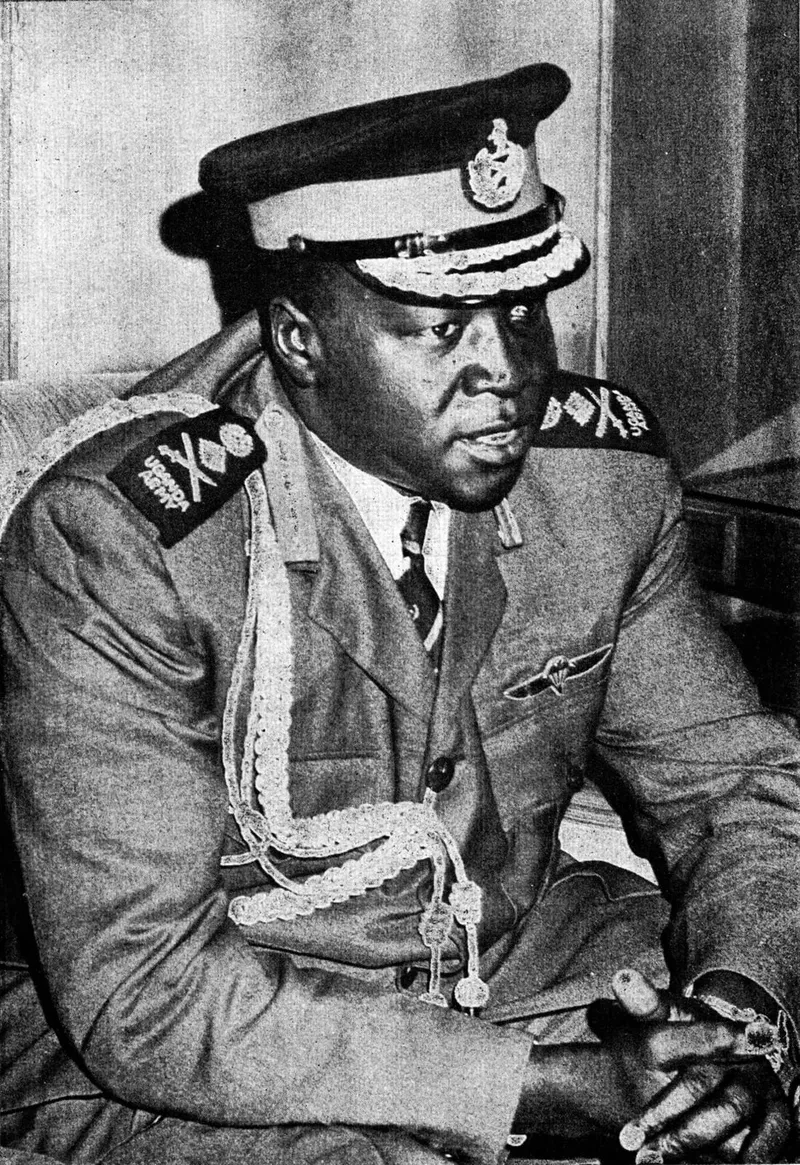
Idi Amin sent undiplomatic, often bizarre telegrams to world leaders throughout his rule over Uganda, and few episodes illustrate the habit more clearly than his exchanges with Washington in 1973, at a moment when the rest of the world was congratulating Henry Kissinger for ending direct US involvement in the Vietnam War.
In January 1973, following the Paris Peace Accords that Kissinger had negotiated to end American combat operations in Vietnam, messages of congratulation poured in to Washington from governments around the world. According to State Department records, Amin sent the only message received that instead deplored Kissinger’s diplomatic effort, an outlier reaction that stood out precisely because virtually every other government treated the accords as a genuine diplomatic achievement worth celebrating rather than criticizing.
Amin escalated further that July, sending two telegrams that mocked President Richard Nixon directly and criticized US policy toward Cambodia, where American bombing operations continued even after the Vietnam ceasefire. The State Department’s internal characterization of the messages was blunt: officials described their contents as “insulting” and stated that Amin’s tone and substance were “totally unacceptable.” The diplomatic fallout was concrete rather than merely rhetorical. On July 6, 1973, the United States announced that Ambassador Thomas Patrick Melady, who had been serving in Kampala, would not be returning to his post, and that Washington would not name a replacement, a de facto downgrade of US-Uganda relations that stemmed directly from Amin’s telegrams.
The 1973 episode was not an isolated incident but part of a broader, well-documented pattern in Amin’s foreign relations: he regularly sent outlandish telegrams to other heads of state, veering between exaggerated flattery, apparent paranoia, and messages foreign diplomats sometimes struggled to parse as coherent policy positions at all. US officials stationed in Uganda were repeatedly instructed to formally protest one message from Amin, only to receive a new and often more provocative one before they could deliver the complaint, a cycle that made sustained, functional diplomacy with his government exceptionally difficult throughout his eight years in power.
Sources
- “US protests Amin's telegrams to President Nixon”, Daily Monitor.
- “Foreign Relations of the United States, 1969-1976”, Office of the Historian, US Department of State.