
By Princewill Ubani · Published
Research ID: PA-ART-gordon-laing-timbuktu-1826
Gordon Laing Won the Race to Timbuktu, and Was Murdered Two Days Later
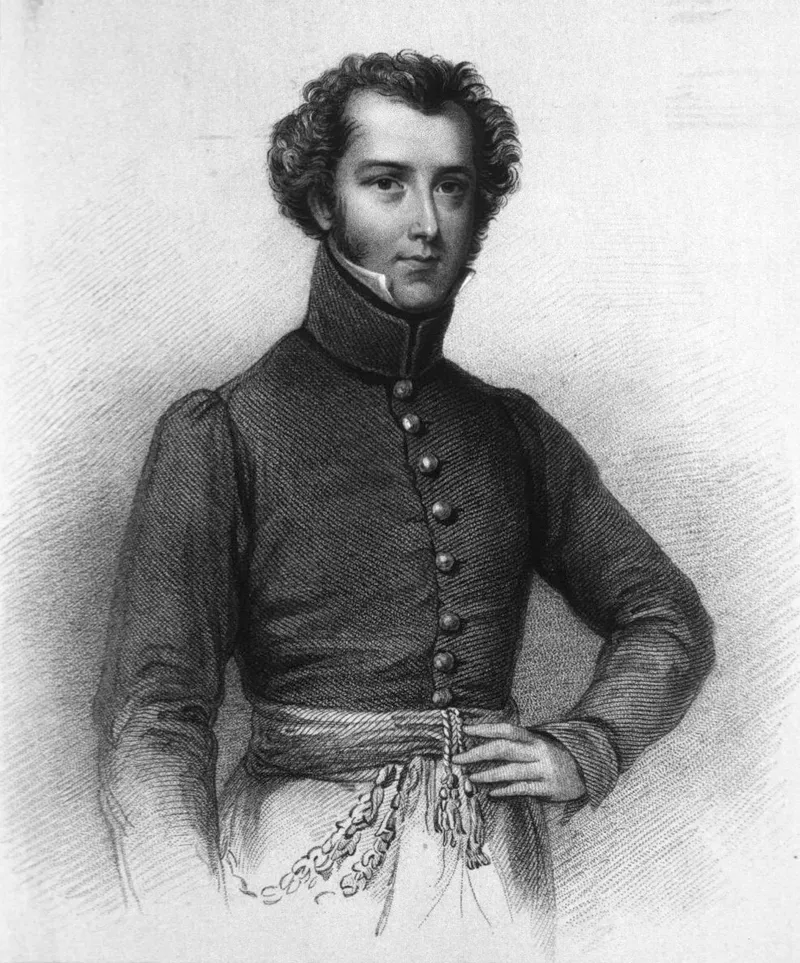
In 1824, the Geographical Society of Paris offered a substantial cash prize to whichever European explorer could reach the legendary trading city of Timbuktu and make it back alive to describe it, a reward reflecting how little verified information had reached Europe about a city that had circulated in centuries of travelers’ accounts as a place of fabulous wealth. Scottish army officer Alexander Gordon Laing, who had already spent years exploring West Africa and tracing the source of the Niger River, set out from Tripoli in 1825 to cross the Sahara and claim it.
The crossing nearly killed him before he ever reached the city. Laing’s expedition was ambushed by Tuareg raiders partway through the journey, and he survived with severe wounds, including cuts to his head, hands, and body serious enough that later accounts describe him arriving in Timbuktu still recovering from injuries that would have killed a less determined traveler. He reached the city on August 18, 1826, becoming the first documented European to set foot there, and spent roughly five weeks studying the city and its surroundings before deciding to leave.
Laing departed Timbuktu on September 24, 1826, heading back toward Tripoli with his notes and journals, the actual prize the Geographical Society’s reward was meant to reach Europe. He never made it. Two days after leaving the city, on the night of September 26, Laing was murdered, reportedly by guides or associates involved in his onward journey, though the precise circumstances were never fully established. His papers and journals, the documented record of what he’d actually seen and learned in Timbuktu, vanished with him and were never recovered, despite later reports suggesting some of his materials had been secretly carried to Tripoli by 1828.
Because Laing’s own account was lost, credit for the first published, verified European description of Timbuktu ultimately went to French explorer René Caillié, who reached the city two years later, in 1828, using a different route and, unlike Laing, survived to publish his account and collect the Paris prize himself. Laing’s expedition remains historically significant as the actual first arrival, but it’s Caillié’s surviving narrative that shaped European understanding of Timbuktu for the following century, an accident of survival rather than of who actually got there first.
Sources
- “Alexander Gordon Laing”, Encyclopaedia Britannica.
- “Scottish explorer Alexander Gordon Laing becomes the first European to reach Timbuktu”, South African History Online.