By Princewill Ubani · Published
Research ID: PA-ART-african-trickster-tales-hare-spider-tortoise
Hare, Spider, or Tortoise: Africa's Trickster Figure Changes Species by Region
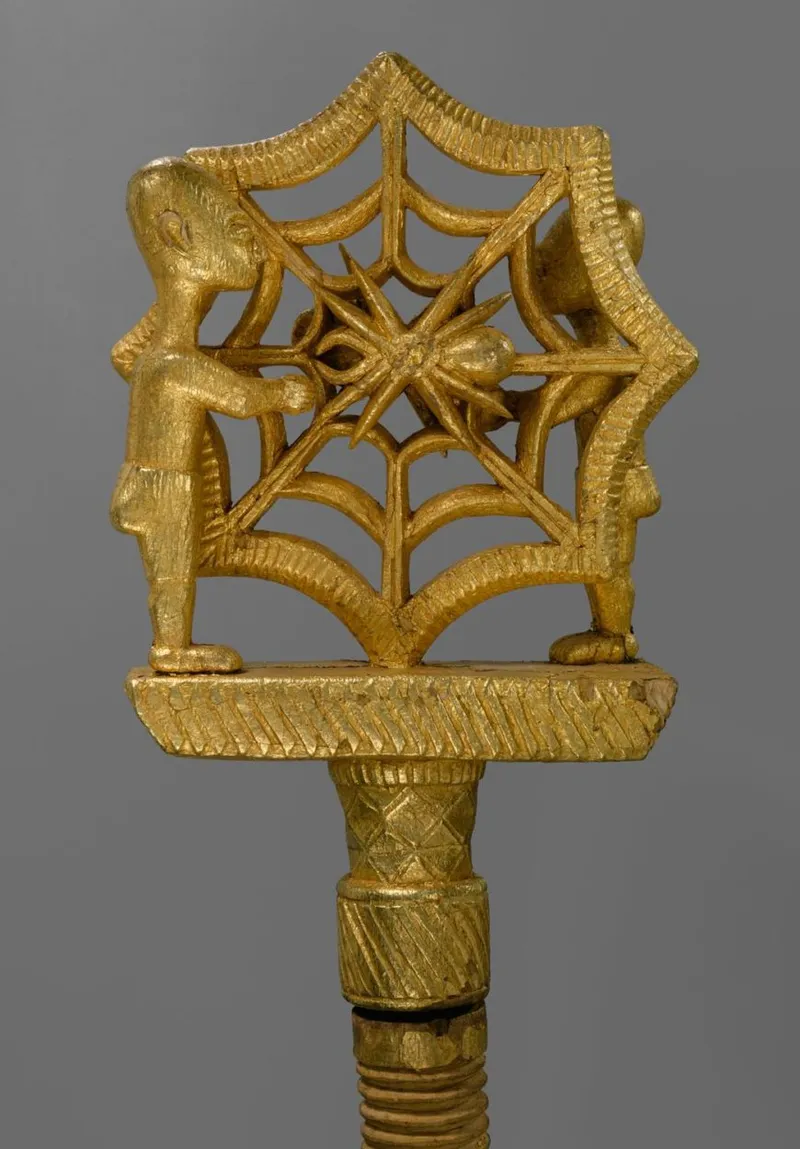
Trickster tales run through African oral tradition on a scale few other narrative forms match, but the animal cast as the trickster itself shifts depending on where the story is told. Across much of Bantu Africa and the western Sudan region, the role belongs to the hare, a small, physically unremarkable animal whose stories consistently pit its wit against larger, stronger, or more powerful adversaries, including lions, hyenas, and occasionally the gods themselves. In West Africa, the same narrative role most often falls to the spider, embodied most famously in Anansi, the trickster figure of the Akan people of Ghana, whose stories eventually traveled across the Atlantic with enslaved Akan people and took root in Caribbean and African American oral tradition, where Anansi tales remain widely told today. In Nigeria, the tortoise typically fills the trickster role instead, most prominently as Ijapa in Yoruba storytelling, a slow-moving animal whose narrative cunning consistently overcomes its physical limitations.
Scholars studying African trickster narratives across these regional variations, including literary critic Robert Cancel, writing in the Journal of the African Literature Association, have examined how the trickster figure functions as more than simple children’s entertainment. Cancel’s work situates the African trickster alongside comparable rogue figures in other literary traditions, including the Iberian picaresque tradition’s pícaro, while noting what distinguishes the African trickster specifically: an animal or insect granted disproportionate cunning relative to its physical stature, repeatedly using that cunning to confound limits set not just by rival animals but sometimes by the gods themselves, a narrative move that gives trickster tales space to comment obliquely on power, authority, and the gap between strength and cleverness in ways more direct storytelling forms couldn’t as safely manage.
Scholar Robert Pelton’s earlier academic study of the West African trickster tradition, reviewed in African Studies Review, examined the same underlying pattern in more theoretical depth, arguing that trickster figures across West African cultures serve a specific mediating function between order and chaos, sacred and profane, rather than functioning simply as folk comedy. That the trickster changes species by region, hare here, spider there, tortoise elsewhere, while retaining a remarkably consistent narrative function across all of them suggests the figure reflects something close to a shared structural need across many different African oral traditions rather than a single story that simply diffused and mutated as it spread.
The regional variation also tracks reasonably well with each animal’s actual presence in local ecology and folklore more broadly: hares appear widely across the savanna regions where that version of the trickster dominates, while spiders and tortoises carry their own separate symbolic weight in the West African and Nigerian traditions where they take on the trickster role instead, a pattern scholars studying African oral literature have long treated as evidence that trickster tales, however widely shared their underlying structure, remain deeply rooted in the specific environments and cultures that produced each regional version.
Sources
Books & Further Reading
Robert Cancel, "The Rogue in African Literature: Trickster or Pícaro?," Journal of the African Literature Association, Vol. 19, No. 2 (2025)