By Princewill Ubani · Published
Research ID: PA-ART-maya-angelou-ghana-years-1962-1965
Maya Angelou's Years in Ghana, 1962-1965
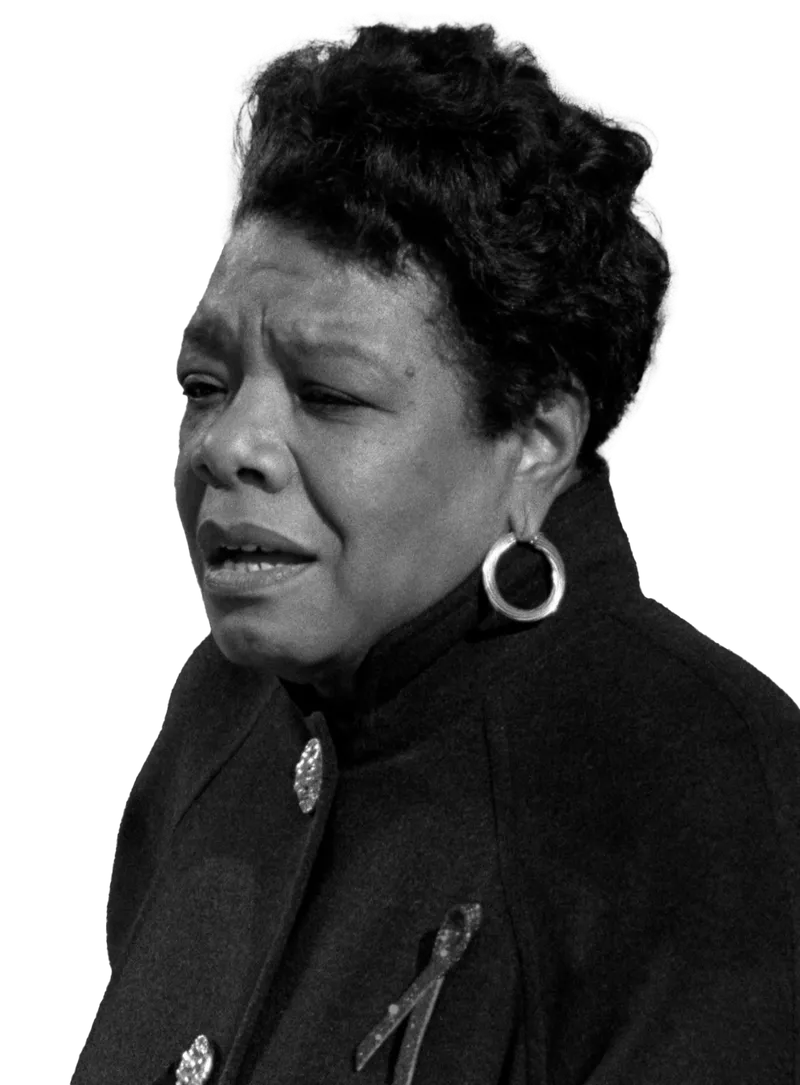
Maya Angelou moved to Accra, Ghana in 1962, following an earlier stretch in Cairo, and remained there until 1965, a period she later recounted in her fifth autobiography, All God’s Children Need Traveling Shoes. She was not simply a visitor: she worked as assistant administrator of the University of Ghana’s School of Music and Drama at the Institute of African Studies, wrote as a freelancer for the Ghanaian Times and the Ghana Broadcasting Corporation, and served as feature editor at the pan-African magazine African Review. Encyclopedia.com’s biographical account of her also lists Fanti, a language spoken in southern Ghana, among the languages Angelou spoke, a marker of how deeply she embedded herself in Ghanaian life rather than simply passing through it.
She was part of a small, tightly knit community of Black American expatriates drawn to Kwame Nkrumah’s newly independent Ghana by the promise of Pan-Africanism, a group that included the historian and civil rights pioneer W.E.B. Du Bois, who spent his own final years in Accra, along with the novelist Julian Mayfield, the writer William Gardner Smith, the lawyer and activist Pauli Murray, and the sociologist St. Clair Drake. Angelou brought her teenage son, Guy Johnson, whom she had given birth to at 17, with her to Ghana; he enrolled at the University of Ghana as a student not long after they arrived, and the period was marked by a serious car accident he survived, an episode Angelou wrote about at length in her memoir of these years.
Her time in Ghana ended when Malcolm X visited the country in 1964. The two had already met years earlier, and his visit, along with the pull of the movement he was building back home, prompted Angelou to return to the United States in 1965 to help him establish the Organization of Afro-American Unity, the same organization mentioned elsewhere on this site in connection with Malcolm X’s praise for Kenya’s Mau Mau uprising. Malcolm X was assassinated within months of her return, before the organization could be fully realized.
A claim has circulated online that Angelou described raising Guy using a “West African technique.” A televised interview reviewed for this article confirms it in her own words: Angelou describes a method she calls “blow, bite and blow,” named for blowing on a spot until it is numbed, biting, then blowing again, “and the person doesn’t know he or she’s been bitten.” She says she used the same rhythm on her son, making him laugh, delivering something hard, then making him laugh again, “so he would have taken it in and not known that he had taken it in.” The technique, tied to the same period, also surfaced in national press coverage of All God’s Children Need Traveling Shoes around its 1986 release. The documented record shows three years living and working inside a Ghanaian institution, raising her son there, and leaving only when a more urgent call, from Malcolm X himself, pulled her home.
Sources
- “"The Caged Bird Sings of Freedom: Maya Angelou's Anti-Colonial Journalism in the United Arab Republic and Ghana, 1961-1965," Journal of Global History (Cambridge Core)”.
- “When Maya Angelou lived in Ghana”, Africa Is a Country.
- “Maya Angelou”, Encyclopedia.com (Gale).
- “Angelou's technique: 'blow, bite, blow'”, UPI.
Books & Further Reading
Maya Angelou, All God's Children Need Traveling Shoes (Random House, 1986, ISBN 0394521439)