By Princewill Ubani · Published
Research ID: PA-ART-1947-ncnc-delegation-london-richards-constitution
The 1947 NCNC Delegation to London and the Fight Against the Richards Constitution
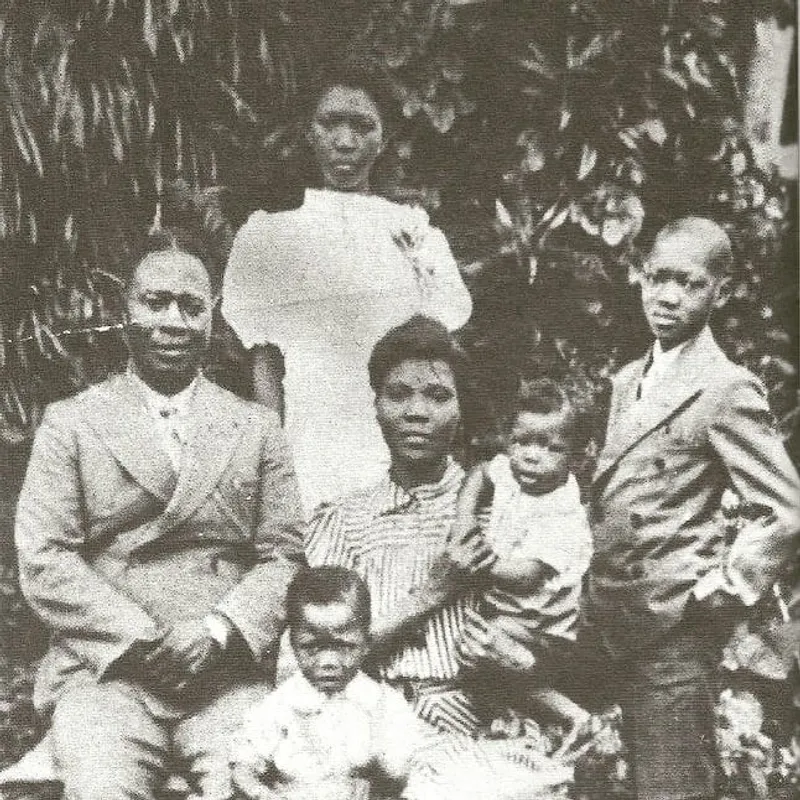
On June 26, 1947, a seven-person Nigerian delegation boarded the steamship Almanzora in Lagos, bound for London. It was organized by the National Council of Nigeria and the Cameroons, the nationalist party Nnamdi Azikiwe led and would ride to become, sixteen years later, Nigeria’s first president. Their target was the Richards Constitution, imposed by Britain’s colonial administration in 1946, which the delegation argued gave ordinary Nigerians no meaningful electoral voice: it preserved a British-majority Executive Council and, notably, left male-only suffrage exactly as it had been under the previous constitutional arrangement, extending no electoral representation to women at all.
Funmilayo Ransome-Kuti was the delegation’s only woman, selected by Azikiwe to represent both the Western Region and the women of Nigeria specifically. Already a prominent organizer by 1947, having helped found the NCNC three years earlier and built the Abeokuta Women’s Union into a formidable political force among market women and traders, she used the London trip to press the specific grievance that a new constitution had been drafted without asking whether Nigerian women should have any say in ratifying it. The delegation met with Britain’s Colonial Secretary, Sir Arthur Creech Jones, to press their case directly. Ransome-Kuti later gave her own assessment of the trip’s value to the Nigerian Spokesman newspaper: “the trip turned out to be money and time well-used, since the people’s side of the case, for once, had been presented.”
The 1947 mission did not immediately overturn the Richards Constitution, but it placed Nigerian self-government and, distinctly, women’s exclusion from it, before British colonial authorities as an organized, documented grievance rather than a diffuse complaint, laying groundwork both for the constitutional revisions that followed through the 1950s and for Ransome-Kuti’s own escalating campaign against the taxation of Abeokuta’s women without representation, a fight she carried further at home over the following years as head of the Abeokuta Women’s Union.
Sources
Books & Further Reading
Cheryl Johnson-Odim and Nina Emma Mba, For Women and the Nation: Funmilayo Ransome-Kuti of Nigeria (University of Illinois Press, 1997, ISBN 9780252066139)