
By Princewill Ubani · Published
Research ID: PA-ART-1381649335746711553
Twitter's Ghana Headquarters Opened in 2022, Then Was Gutted Within Days
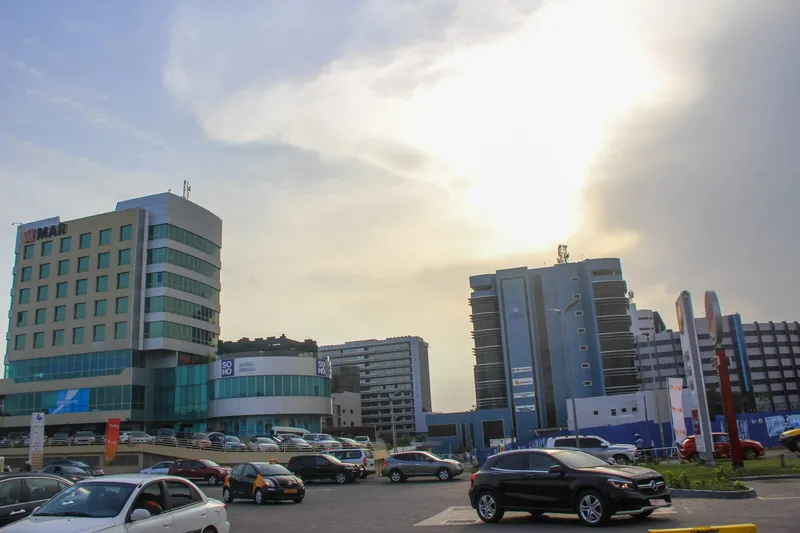
Twitter announced on April 12, 2021, that it had chosen Ghana as the site of its first Africa headquarters, with then-CEO Jack Dorsey thanking President Nana Akufo-Addo directly and pointing to the country’s record on internet freedom and its role in the African Continental Free Trade Area as reasons for the pick over larger markets like Nigeria and Kenya. The announcement was treated as a milestone for Ghana’s tech sector, and the company began hiring for roles based in Accra soon afterward.
What followed the announcement took far longer than the announcement itself suggested. Twitter’s newly hired Africa staff worked remotely for more than a year while the company prepared its physical office, and the Accra headquarters did not actually open its doors until November 1, 2022, some 19 months after Dorsey’s original statement.
The office lasted only days in that form. Elon Musk completed his acquisition of Twitter in late October 2022, and by that Friday, November 4, the company’s global layoffs had reached Accra, cutting nearly the entire Ghana staff and leaving, according to multiple people familiar with the situation, only a single employee still on the payroll. Workers who had relocated to Ghana for the job, some of whom depended on it to maintain their legal status in the country, were let go by email with what one former employee described as no individual acknowledgment at all.
The aftermath dragged on well past the layoffs themselves. Former Ghana staff told reporters in mid-2023 that they had gone months without severance pay or any response from the company, a dispute that continued into late 2023 as employees pursued settlement talks under Ghana’s labor law, which requires longer notice periods than Twitter had initially given. The office that was meant to anchor Twitter’s expansion across the continent instead became, within about two years of its announcement, a case study in how quickly a company’s stated commitment to a region can collapse under new ownership.