By Princewill Ubani · Published · Updated
Research ID: PA-ART-345523108926586880
Nkrumah's 'Neo-Colonialism': The Book That Named a New Kind of Empire
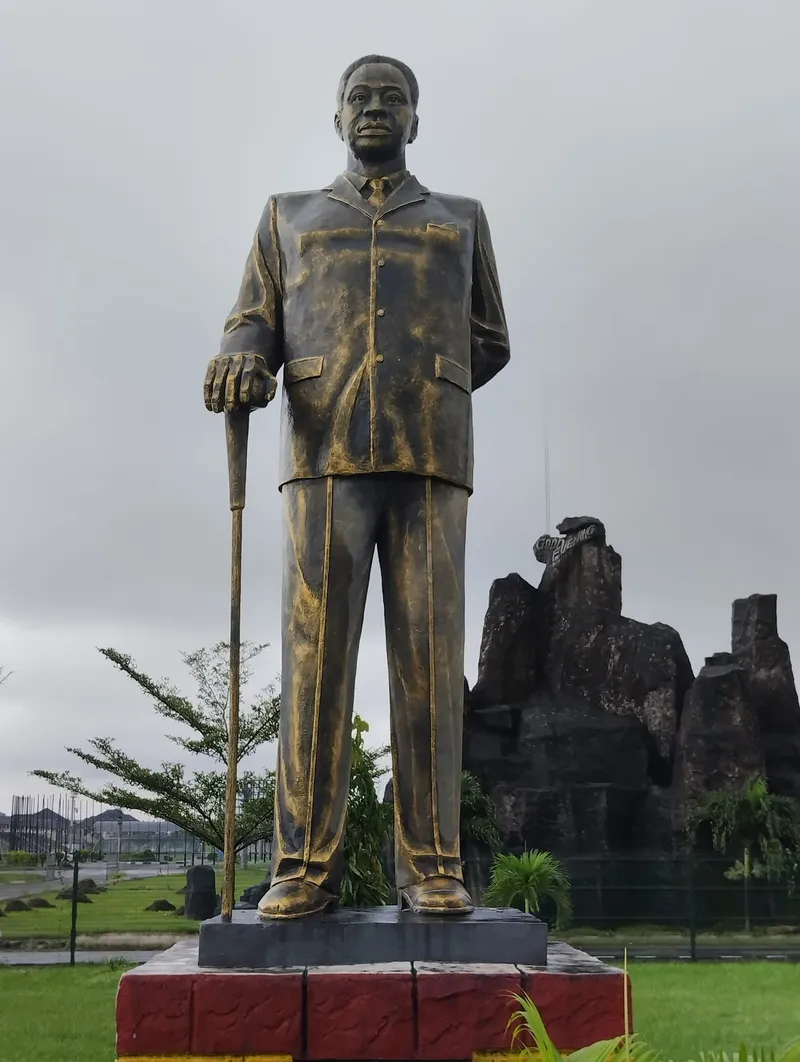
By 1965, Kwame Nkrumah had spent nearly a decade as Ghana’s head of state and roughly as long arguing that formal independence, the flags and parliaments and seats at the United Nations that most of Africa had won since the late 1950s, was not the same thing as real freedom. That argument became a book that year: “Neo-Colonialism: The Last Stage of Imperialism,” published in London by Thomas Nelson & Sons, with a US edition following the next year from International Publishers.
Nkrumah’s central claim was structural rather than rhetorical. A neo-colonial state, he wrote, “is, in theory, independent and has all the outward trappings of international sovereignty,” while “in reality its economic system and thus its political policy is directed from outside.” Formal political control had ended across most of Africa. Economic control, exercised through foreign ownership of resources, unequal trade terms, and financial leverage over fragile new governments, had simply taken its place, and Nkrumah argued this arrangement served Western interests as effectively as direct colonial rule had, while requiring far less of the political and military cost that colonial administration once demanded.
Nkrumah put the book directly into the hands of the people he most wanted to reach, distributing copies to fellow heads of state at the Organisation of African Unity summit held in Accra in October 1965, a gathering he had helped shape into a forum for exactly the kind of continental solidarity the book called for. The timing put the argument in front of the same leaders debating how far African unity should go in confronting the economic structures Nkrumah described, only months before Nkrumah’s own government was overthrown in the February 1966 coup while he was traveling abroad, a coup whose disputed but long-suspected US involvement gave the book’s central warning an uncomfortably direct resonance in the eyes of Nkrumah’s supporters.
The term Nkrumah popularized outlived the immediate controversy around the book itself. “Neocolonialism” entered the vocabulary of postcolonial studies, dependency theory and left-wing African political analysis as a standard way to describe economic and political domination that operates without formal colonial administration, and it remains in active use today in debates over foreign investment, resource extraction and international lending across the African continent, a durability few political neologisms from the era can claim.
Sources
- “Neo-Colonialism, the Last Stage of Imperialism”, Marxists Internet Archive (primary text).
- “Neocolonialism (peer-reviewed academic reference entry, on Nkrumah's formulation and its afterlife in postcolonial and dependency theory)”, Internet Encyclopedia of Philosophy.
- Jeffrey S. Ahlman. “Kwame Nkrumah: Visions of Liberation (Ohio Short Histories of Africa, ISBN 9780821424520)”, Ohio University Press.
Books & Further Reading
Jeffrey S. Ahlman, Kwame Nkrumah: Visions of Liberation (Ohio Short Histories of Africa, Ohio University Press, ISBN 9780821424520)