
By Princewill Ubani · Published
Research ID: PA-ART-garrett-morgan-traffic-signal-gas-mask
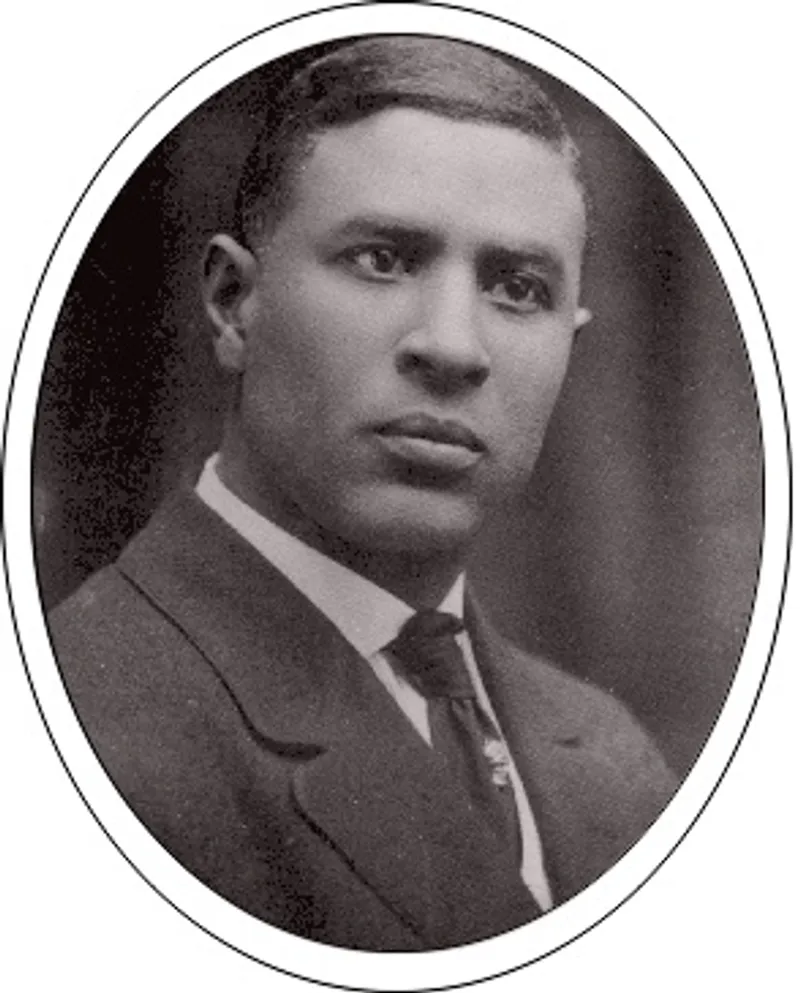
Garrett Morgan: The Inventor Behind the Gas Mask and the Traffic Signal
On This Day: July 27 · March 4
Garrett Morgan was born March 4, 1877, in Claysville, Kentucky, the seventh of 11 children to parents who had themselves been enslaved before the Civil War. He left home as a teenager with little formal education, working first in Cincinnati and then settling in Cleveland in 1895, where he took a job sweeping floors at a manufacturing company before teaching himself sewing-machine repair and eventually opening his own tailoring and clothing business. That trajectory, from floor sweeper to small manufacturer, gave him both the capital and the mechanical curiosity that would define the rest of his career.
His first major invention grew out of his work with fabric treatments. In 1914, Morgan patented a smoke hood designed to filter breathable air away from smoke and toxic fumes, winning first prize at the Second International Exposition of Safety and Sanitation. The device’s most dramatic test came on the night of July 24, 1916, when a natural gas pocket exploded roughly 120 feet beneath Lake Erie during construction of a Cleveland waterworks tunnel, killing 11 workers outright and trapping others in rubble and toxic smoke; subsequent rescue attempts killed 11 more of the 18 men who went in after them. Morgan and his brother put on the safety hoods and went into the tunnel themselves, pulling eight survivors out alive. Even before that rescue, Morgan had struggled to sell the hood commercially because of his race, and had taken to hiring a white actor to pose as the device’s inventor during sales demonstrations while Morgan himself appeared as the “assistant,” a tactic that boosted orders until buyers in several Southern cities canceled once they learned the actual inventor was Black.
Morgan’s second major invention came from watching traffic, not smoke. After witnessing a collision at a Cleveland intersection between a horse-drawn carriage and an automobile, he designed a three-position signal that added a warning interval, an early version of the amber light, between the stop and go commands, intended to clear an intersection completely before traffic began moving in a new direction. He filed the patent on February 27, 1922, and it was granted November 20, 1923; he later sold the rights to General Electric for $40,000, and the company developed an electrified version of the design that fed directly into the modern red-yellow-green traffic light used worldwide today.
Morgan used the proceeds and standing from his inventions to become a civic figure in Cleveland’s Black community, founding the weekly newspaper the Cleveland Call in 1920 and serving for years as a member of the NAACP. He died in Cleveland on July 27, 1963, and was posthumously inducted into the National Inventors Hall of Fame in 2005.
Sources
- “Black Inventor Garrett Morgan Saved Countless Lives with Gas Mask and Improved Traffic Lights”, Scientific American.
- “US1475024A - Traffic signal”, Google Patents.
- “Morgan, Garrett A.”, Case Western Reserve University, Encyclopedia of Cleveland History.
- “Why did Garrett Morgan hire actors to demonstrate his safety hood invention?”, Britannica.