By Princewill Ubani · Published
Research ID: PA-ART-gaddafi-libya-funding-african-union-investment
Gaddafi's Bankrolling of the African Union, and the Vision Behind It
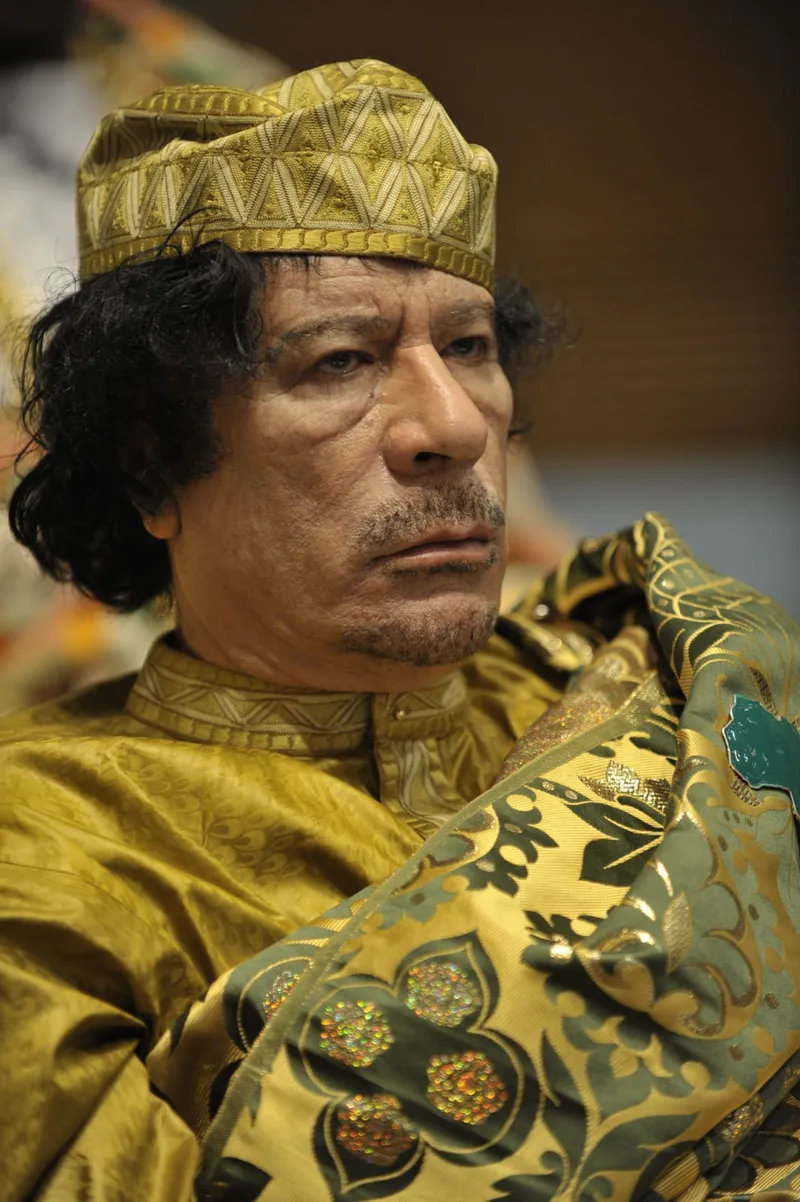
Through the 1990s and 2000s, Muammar Gaddafi used Libya’s oil wealth as a direct instrument of African diplomacy, most concretely by paying off overdue membership dues that several of the continent’s poorer states owed first the Organisation of African Unity and later its successor, the African Union, arrears that had left those countries at risk of losing voting rights within the body. Reporting on the total scale of his African spending varies considerably and no single authoritative figure exists: TIME magazine cited a commonly referenced $9 billion sent to African causes, while other estimates of his continent-wide investments, in mosques, agriculture, hospitals, and various commercial ventures, run as high as $150 billion. The wide spread reflects how much of this spending moved through opaque state and personal channels rather than audited public accounts.
That financial leverage translated directly into political standing. In February 2009, Gaddafi was elected Chairperson of the African Union, the continental body’s rotating leadership post, at a summit in Addis Ababa. He used the position to press an ambitious, longstanding project: a “United States of Africa,” a single continental state with one currency, one unified military force, and one passport, modeled loosely on federal systems elsewhere in the world. The vision found genuine support among some smaller states that had directly benefited from his financial generosity, but larger regional powers, South Africa, Nigeria, and Kenya among them, resisted it as premature at best and, at worst, an extension of what one senior Nigerian official described as Gaddafi wanting “to be the driver, with all of us in the back seat.”
Not every symbol of the AU’s institutional strength during this period was Libyan-funded, a distinction worth making plainly: the African Union’s own Addis Ababa headquarters, opened in 2012, was built entirely as a roughly $200 million gift from China, not Libya, a reminder that Gaddafi’s influence, however real, operated alongside other major outside powers’ own competing investments in the continental body. Gaddafi’s death in the 2011 Libyan civil war ended his direct role in African Union politics abruptly, and the “United States of Africa” project he had championed lost its most aggressive backer along with him, leaving the continental integration debate to continue in the more incremental form it has largely taken since.
Sources
Books & Further Reading
Alison Pargeter, Libya: The Rise and Fall of Qaddafi (Yale University Press, 2012, ISBN 9780300139327)