
By Princewill Ubani · Published
Research ID: PA-ART-desmond-tutu-1984-nobel-peace-prize
Desmond Tutu's 1984 Nobel Peace Prize
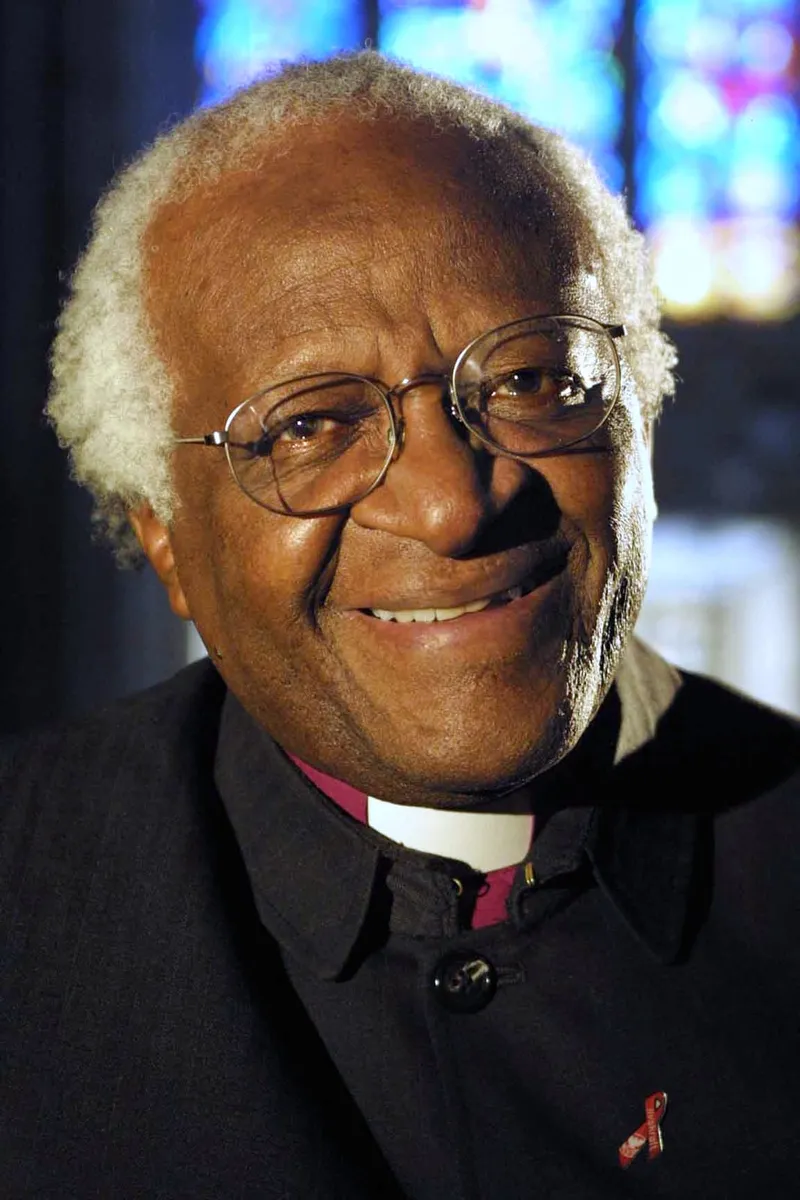
When the Nobel Committee announced its 1984 Peace Prize, Desmond Tutu was not yet the archbishop the world would come to know him as. At the time of the award he held the position of General Secretary of the South African Council of Churches, a post he had taken up in 1978 as the first Black person to hold it, using the platform to press for economic sanctions against South Africa’s apartheid government and to speak out publicly against the violence used to enforce it, including the aftermath of the 1976 Soweto uprising. He would not be installed as Johannesburg’s first Black Anglican bishop until 1985, the year after the Nobel announcement, and would not become Archbishop of Cape Town, the role most associated with his name today, until 1986.
The Nobel Committee’s citation credited Tutu specifically for “his role as a unifying leader figure in the non-violent campaign to resolve the problem of apartheid in South Africa,” recognition aimed as much at the broader movement he represented as at any single act. Tutu had spent years walking a difficult line: an outspoken critic of the apartheid system who nonetheless consistently rejected violence as a means of ending it, even as South Africa’s government responded to peaceful dissent with mass arrests, bannings, and killings, including the Sharpeville massacre a generation earlier. The Nobel Committee framed the prize explicitly as recognition of “the courage and heroic patience shown by black South Africans” pursuing change through peaceful means; Tutu was their most visible international voice.
The prize substantially raised Tutu’s profile at exactly the moment he was about to take on greater formal authority within the South African church, and his later roles built directly on the platform it gave him: as Archbishop of Cape Town through the final, most violent decade of apartheid, and, after Nelson Mandela’s election in 1994, as chair of South Africa’s Truth and Reconciliation Commission beginning in 1995, the body tasked with publicly reckoning with the apartheid era’s crimes rather than simply moving past them.
Sources
- “Desmond Tutu – Biographical”, NobelPrize.org.
- “Desmond Tutu and the triumph against Apartheid”, Vision of Humanity.
Books & Further Reading
John Allen, Rabble-Rouser for Peace: The Authorized Biography of Desmond Tutu (Free Press, 2006, ISBN 9780743269377)