
By Princewill Ubani · Published
Research ID: PA-ART-347278161257566208
The Economist's 'Hopeless Continent' Cover, and the 2011 Reversal It Forced
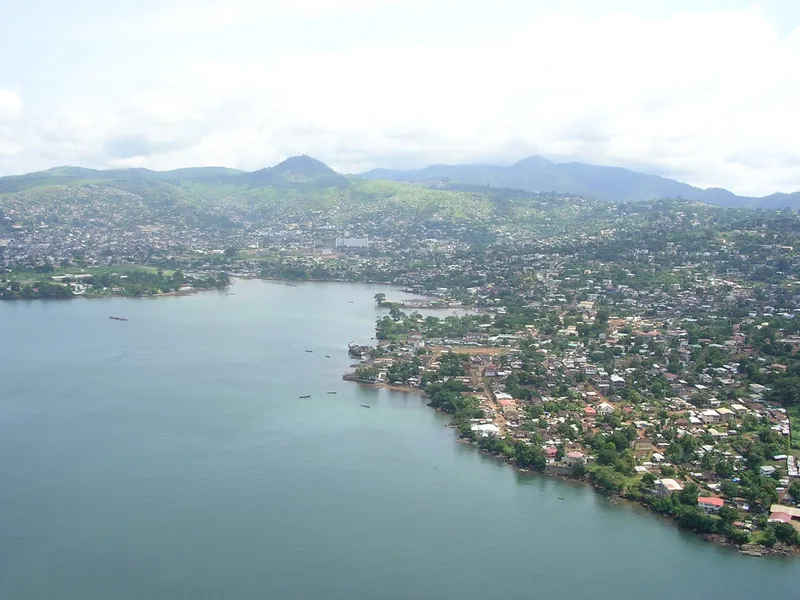
The Economist put the headline “The hopeless continent” on the cover of its May 13, 2000 edition, over an illustration of a young man carrying a rocket launcher superimposed on a map of Africa. Inside, the leader that ran under it, titled “Hopeless Africa” and dated May 11, opened not with statistics but with a place: Freetown, Sierra Leone, a city the magazine said had gone from a 19th-century symbol of hope, built by freed slaves and resettled Black Britons, to a symbol of collapse, its residents watching that week as foreign aid workers were evacuated and the United Nations’ peacekeeping mission in the country came apart.
The piece widened out from there. It cited wars, coups and famine across multiple African countries as evidence that, as the magazine put it, the difficulties of ending the fighting in Sierra Leone specifically raised the question of whether the outside world might simply give up on the entire continent. The cover became a fixture of academic writing on what researchers call Afro-pessimism, a term for Western media coverage that treats Africa’s 54 countries as a single, undifferentiated story of crisis. A University of Leeds paper on the concept singled the cover out as one of the clearest published examples of the pattern it was trying to define.
The backlash was immediate and lasting. African governments, diplomats and commentators accused the magazine of flattening a continent’s worth of distinct countries, economies and conflicts into one image, and of doing so with a cover line that echoed 19th-century colonial rhetoric about a “Dark Continent.” Media researchers later built entire papers around dissecting the cover: a University of Leeds analysis identified it as a textbook case of a media narrative that generalizes about Africa as a whole, focuses disproportionately on negative stories and predicts continued decline, the same pattern researchers found in other Western outlets’ coverage of the continent across the preceding decades.
The Economist itself eventually revisited its own framing. On December 3, 2011, it ran a new Africa cover, this one showing a child flying a kite shaped like the continent, under the headline “Africa rising,” pointing to a run of strong economic growth across several African economies. The magazine’s about-face became its own subject of study, cited alongside the 2000 cover as a matched pair showing how far the same publication’s coverage could swing in just over a decade, though scholars who tracked both covers cautioned that the “rising” narrative carried its own selective framing, built as much around foreign investment jargon as the “hopeless” one had been built around war and famine.
Sources
- “Hopeless Africa”, The Economist.
- “The Economist's 'Africa'”, Africa Is a Country.
Books & Further Reading
Janeske Botes, The Hopeless Continent? 2007/2008 Local and International Media Representations of Africa (VDM Verlag, ISBN 9783639331486) — note: VDM Verlag reprints academic theses on demand rather than publishing through peer review; flagged per site policy for human sanity check before publication.