Published
Nigeria's Independence Day, October 1, 1960
Nigeria became independent from Britain at midnight on October 1, 1960. The formal ceremony took place at the Lagos Race Course, later renamed Tafawa Balewa Square, before a crowd estimated at tens of thousands, along with visiting dignitaries including Princess Alexandra of Kent, who represented Queen Elizabeth II. As midnight struck, the Union Jack was lowered and the new green-white-green Nigerian flag raised in its place, and Princess Alexandra read a message from the Queen formally recognizing the country’s new status.
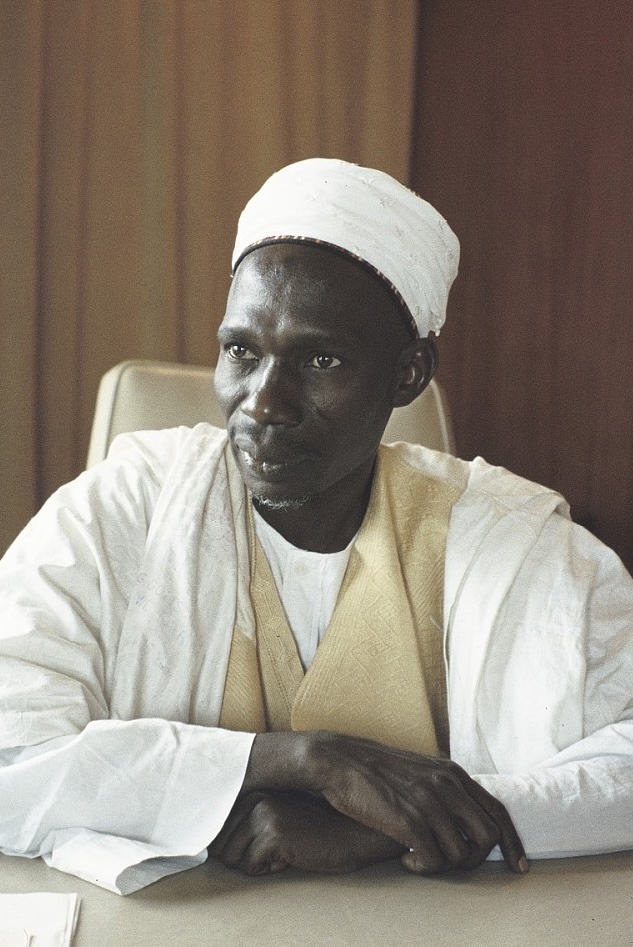
Sir Abubakar Tafawa Balewa, leader of the Northern People’s Congress, became Nigeria’s first prime minister, having already headed the pre-independence government since 1957. Nnamdi Azikiwe, a longtime nationalist leader and newspaper publisher from the Eastern Region, took the largely ceremonial post of governor-general, representing the British crown under the new dominion status; Nigeria did not become a republic, with Azikiwe as president, until three years later, on October 1, 1963. In his independence address, Balewa struck a note of both celebration and caution, telling the nation that the moment two years of anticipation had built toward had finally arrived, and pledging to build a country that was united, prosperous, and genuinely democratic.
That pledge came with a structural complication baked into the new state from day one. Nigeria entered independence as a federation of three regions (Northern, Western, and Eastern), each with its own government, premier, and substantial autonomy, and each dominated by a different major ethnic group: the Hausa-Fulani in the north, the Yoruba in the west, and the Igbo in the east. This regional structure was itself the product of British colonial administration, which had governed the northern and southern parts of the territory as separate protectorates before amalgamating them in 1914, and it reflected a deliberate British-negotiated framework rather than a full merger of political power into a single center. The North, with roughly half the population, held the most seats in the federal parliament, giving the Northern People’s Congress a natural advantage in coalition politics that shaped the country’s first years of self-government.
At independence, Nigeria was Africa’s most populous nation and one of Britain’s largest former colonial holdings, and its transition was widely watched as a test case for whether a large, ethnically diverse African federation could govern itself successfully. The optimism of October 1960 was genuine: Lagos celebrated for days, and independence was achieved through negotiation rather than armed struggle. But the same regional and ethnic fault lines visible in the federation’s founding structure would resurface within a few years as serious strains on national unity.
Sources
Books & Further Reading
Toyin Falola and Bola Dauda, Decolonizing Nigeria, 1945–1960: Politics, Power, and Personalities (ISBN 9781943533145)