Published
Buhari's 1983 Coup Ends Nigeria's Second Republic
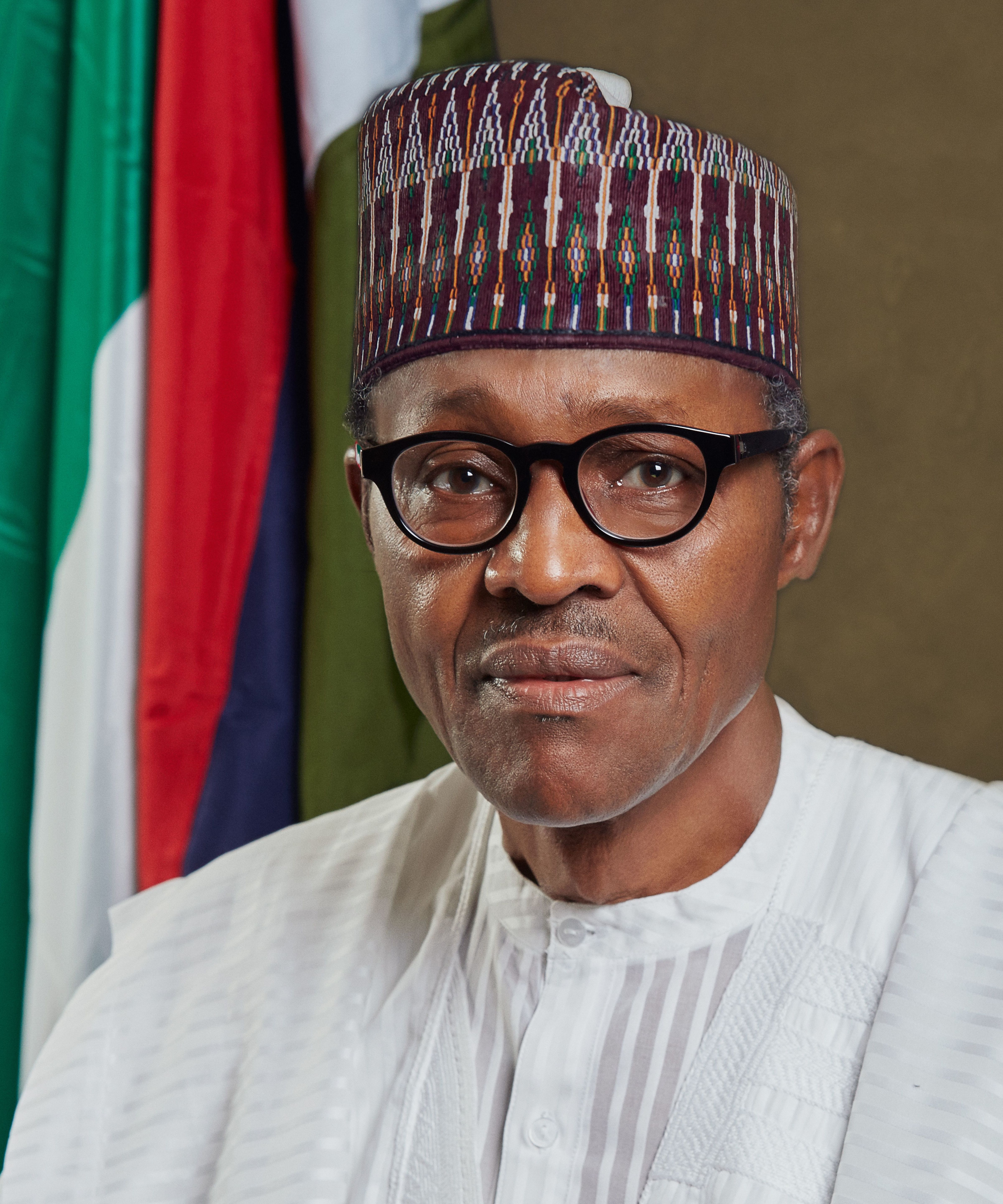
Nigeria’s Second Republic ended just before midnight on December 31, 1983, when a group of senior military officers moved against President Shehu Shagari’s government in a coup led by Major General Muhammadu Buhari. Shagari, the country’s first democratically elected president under the 1979 constitution, had won a second term earlier that year in an election marred by widespread allegations of rigging and violence, and his administration was already reeling from a collapse in oil revenue, a mounting foreign debt, and visible corruption among officials.
The operation was not entirely smooth. Colonel Tunde Ogbeha had been tasked with negotiating the peaceful surrender of Shagari’s Presidential Guard, but he failed to reach the guard commander, and word of the plot leaked to both the president’s camp and the guards themselves, who prepared to resist. When Brigadier Ibrahim Bako led troops to arrest Shagari at his residence, a firefight broke out in which Bako was killed. Despite this resistance, the plotters ultimately overwhelmed the guard, arrested Shagari, and secured control of the government within hours. Buhari, who as commander of the army’s 3rd Division had already developed a reputation for a strict, no-nonsense style, including a controversial standoff with Chad over border territory the year before, emerged as the coup’s public face and head of the new military government, alongside Brigadier Tunde Idiagbon as his deputy.
Buhari and Idiagbon justified the takeover by pointing to economic mismanagement, an over-valued currency, and what they described as pervasive indiscipline in Nigerian public life. Their government responded with the “War Against Indiscipline,” a campaign that combined public shaming of offenders, notably forcing latecomers to public events to perform exercises such as frog-jumps, with harsher measures including detentions of politicians and journalists and the introduction of decrees that curtailed press freedom and due process. Import restrictions and austerity measures were imposed in an attempt to stabilize an economy battered by the oil glut of the early 1980s.
Shagari himself was placed under house arrest after his removal and was held for several years before being allowed to live quietly in retirement; he was never prosecuted, unlike many members of his cabinet who faced tribunals under the new government. Buhari’s own rule proved short. His administration’s authoritarian bent and the economic pain of its adjustment measures generated dissent within the military itself, and on August 27, 1985, he was overthrown in a palace coup led by General Ibrahim Babangida, spending the following years out of active government.
The 1983 coup is frequently cited in Nigerian history as the moment the country’s brief experiment with the Second Republic gave way, once again, to prolonged military rule, a cycle that would not fully end until 1999. Buhari’s own later, very different path back to power, winning election as a civilian president in 2015 after multiple failed attempts, gave the events of December 31, 1983 an unusual afterlife: the general who once toppled an elected government eventually returned to office through the ballot box himself.
Books & Further Reading
Toyin Falola and Julius Ihonvbere, The Rise and Fall of Nigeria's Second Republic, 1979-84 (Zed Books, 1985, ISBN 9780862323806)
Also posted 2 more times between 2019 and 2017.