Published
Nina Simone's Ashes and Her Years of Exile in Liberia
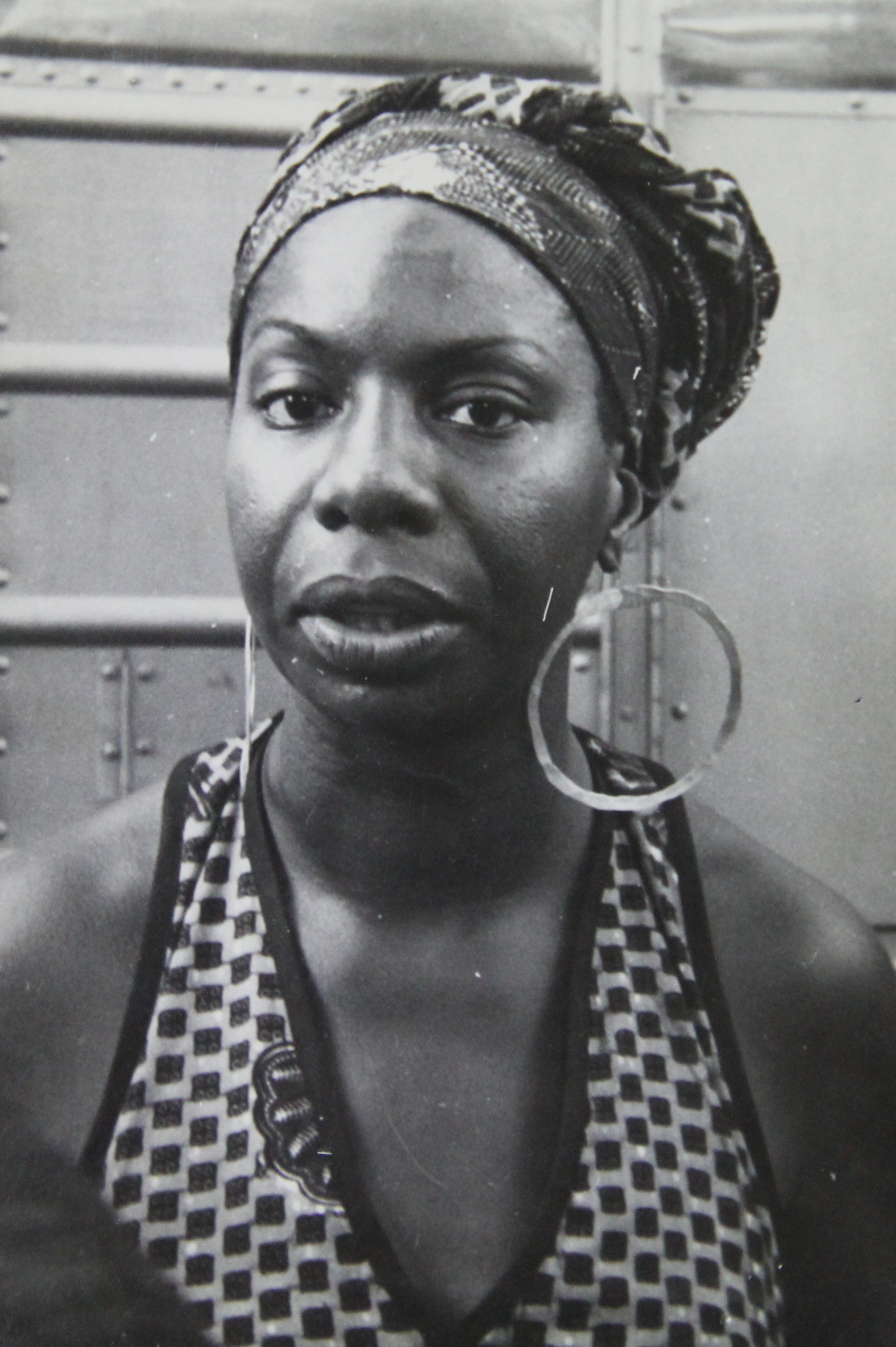
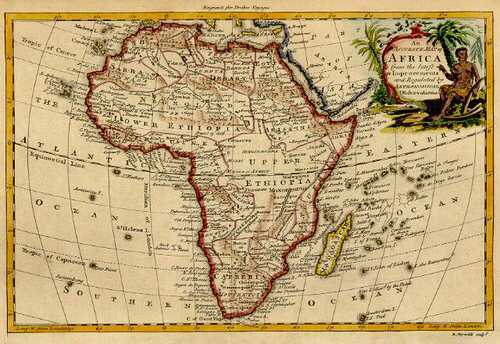
Nina Simone died on April 21, 2003, at her home in Carry-le-Rouet, in the south of France, at age seventy, after a long illness including breast cancer. Per her wishes, she was cremated, and her ashes were scattered across several African countries rather than buried or kept in any single location, a final act that closed out a life defined, especially in its second half, by a search for a homeland the United States had never fully given her.
Born Eunice Kathleen Waymon in Tryon, North Carolina, in 1933, Simone trained as a classical pianist before reinventing herself as a singer and songwriter whose work spanned blues, jazz, gospel, and classical forms. She became one of the defining musical voices of the American civil rights movement, writing and performing songs like “Mississippi Goddam” in direct response to the 1963 Birmingham church bombing and the murder of civil rights leader Medgar Evers. That activism came at a professional cost: some venues and radio stations grew wary of her, and by the early 1970s Simone, worn down by the movement’s setbacks and facing a US tax dispute tied to her war-tax protest, left the country. She spent the following years moving through the Caribbean and Africa before eventually settling in Europe.
Her time in Africa centered on Liberia. In 1974, at the invitation of her friend, South African singer Miriam Makeba, Simone relocated to Monrovia with her young daughter Lisa. She described the move in terms of homecoming, later writing about entering a world she had dreamed of her whole life, and biographers and scholars have characterized her roughly three years there as a period of profound, if ultimately temporary, belonging, one of two places, alongside Barbados, where she felt something like being truly at home, after an earlier stretch in Barbados that included a long relationship with the country’s first prime minister, Errol Barrow. In Liberia she rented a beach house, gave piano lessons, performed occasionally, and largely stepped back from the pressures of a full touring career. She left in 1977, primarily so her daughter could attend school in Switzerland, an emotional departure she and those close to her described as heartbreaking.
Simone’s Liberia years fit into a much older pattern in the African diaspora: Liberia itself was founded in the nineteenth century as a settlement for freed African Americans and free-born Black Americans, and it continued for well over a century afterward to draw diaspora figures, artists, and intellectuals seeking a tangible connection to the continent their ancestors had been taken from. For Simone, that connection was personal rather than political in any programmatic sense (she was not emigrating as part of an organized repatriation effort), but it carried the same emotional charge that had drawn earlier generations of African Americans to Liberia and, later, to newly independent Ghana under Kwame Nkrumah. After Liberia, Simone lived in Switzerland, the Netherlands, and finally France, continuing to perform internationally, including comeback appearances in the 1980s, until her death in 2003. That her ashes went back to Africa rather than staying in Europe or the United States has been read by biographers as a final, literal expression of where she considered herself to belong.
Sources
Books & Further Reading
Nina Simone with Stephen Cleary, I Put a Spell on You: The Autobiography of Nina Simone (Da Capo Press, 2nd edition, 2003, ISBN 9780306813276)
Also posted once more between 2022 and 2018.