Published
Nelson Mandela's 1962 Arrest — and the Disputed CIA Tip-Off Claim
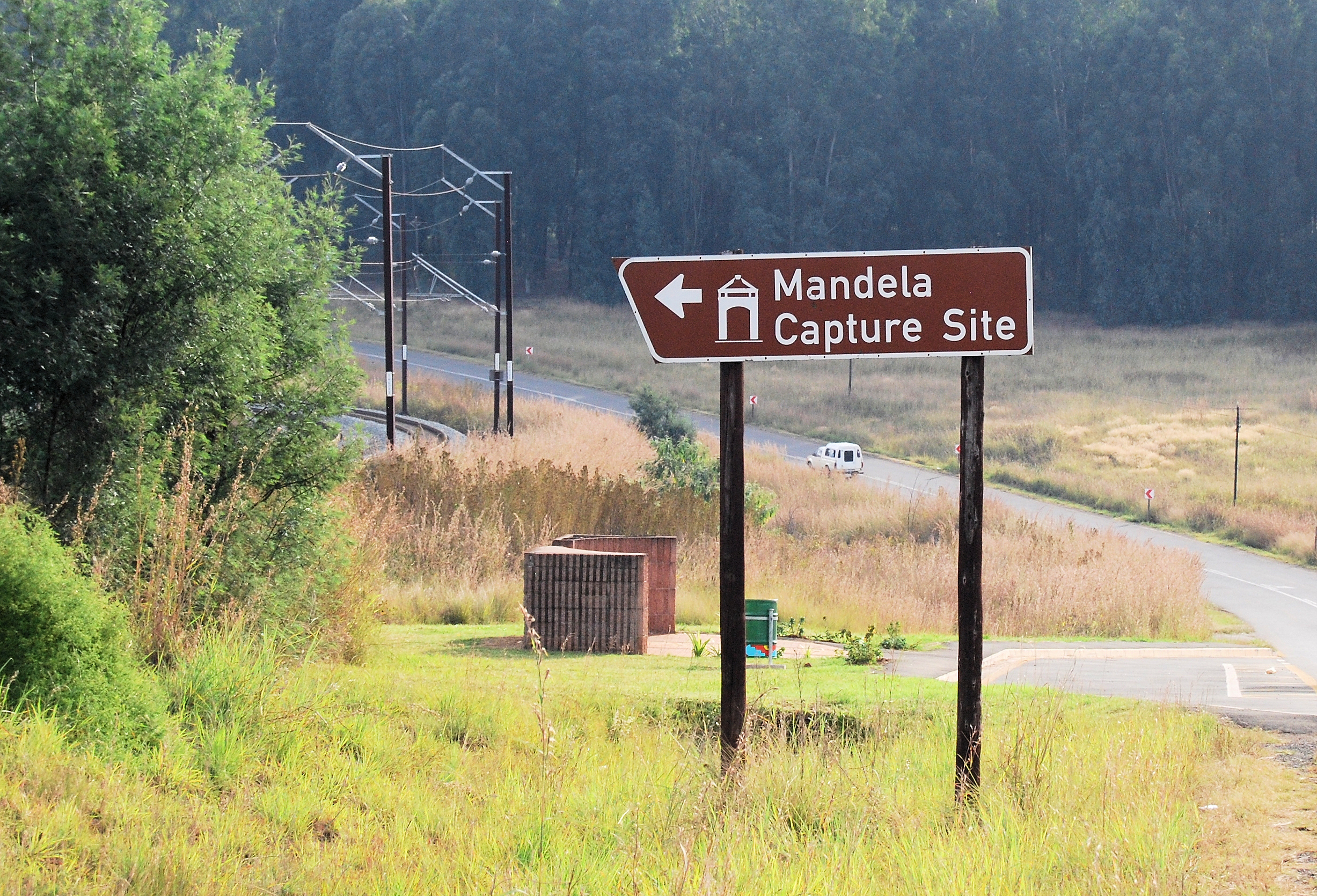
By the time police stopped the car he was riding in near Howick, in what was then Natal, on August 5, 1962, Nelson Mandela had spent seventeen months evading South Africa’s security police. After the ANC was banned following the 1960 Sharpeville Massacre, Mandela went underground, moving between safe houses, adopting aliases and disguises, at various points posing as a chauffeur, a farm laborer, and a gardener, and organizing the newly formed armed wing, Umkhonto we Sizwe, largely from hiding. The press dubbed him the “Black Pimpernel,” after the fictional Scarlet Pimpernel, for his ability to slip past authorities while remaining highly visible in the movement’s underground leadership. During this period he also slipped out of South Africa illegally, touring African states and London to build support for the ANC and to receive military training in Ethiopia and Morocco, before returning secretly in July 1962.
On the day of his arrest, Mandela was traveling from Durban back to Johannesburg, disguised again as a chauffeur, with the theatre director and MK member Cecil Williams posing as his passenger, after a visit to ANC president Chief Albert Luthuli. Police vehicles intercepted their car outside Howick; an officer identifying himself as Sergeant Wessels produced a warrant and dismissed Mandela’s alias, reportedly telling him, “you’re Nelson Mandela and this is Cecil Williams, and you are under arrest.” Mandela was subsequently charged with inciting workers to strike and leaving the country without valid travel documents, and in November 1962 he was sentenced to five years’ imprisonment, the sentence he was serving on Robben Island when he and his co-defendants were charged in 1963 with sabotage in the Rivonia Trial, which produced the life sentence that kept him imprisoned until 1990.
How the police knew exactly where to find him that day has never been fully settled. In May 2016, the British filmmaker John Irvin published an account, recorded shortly before the death of former US vice-consul Donald Rickard in March 2016, in which Rickard reportedly said he had tipped off South African security services to Mandela’s location and movements, believing Mandela to be a dangerous communist threat during the Cold War. Some historians and journalists have treated the claim as broadly credible, noting Rickard’s documented ties to US intelligence and consistent access to sensitive information at the time; the biography of the mercenary Mike Hoare has also been cited as lending some corroboration. Others remain skeptical, pointing out that Rickard specifically denied any such role as recently as 2012, that the account rests on a single uncorroborated deathbed statement to a filmmaker rather than documentary evidence, and that the CIA has never officially confirmed or acknowledged involvement. The claim, in short, is a serious and widely reported one, but it has not been established as settled historical fact, and it remains a matter of ongoing debate among historians of the period.
Sources
- South African History Online — Nelson Mandela is arrested
- Chatham House — Date with history: the arrest of Nelson Mandela
- TIME — Did the CIA Betray Nelson Mandela?
- ABC News — Bombshell Interview Suggests CIA Played a Role in Mandela's '62 Arrest
- History@Kingston (Kingston University) — Mandela's Arrest and the CIA: New evidence for historians?
Books & Further Reading
Nelson Mandela, Long Walk to Freedom: The Autobiography of Nelson Mandela (Little, Brown and Company, 1994, ISBN 9780316874960)