Published
Martin Luther King Jr. Accepts the 1964 Nobel Peace Prize
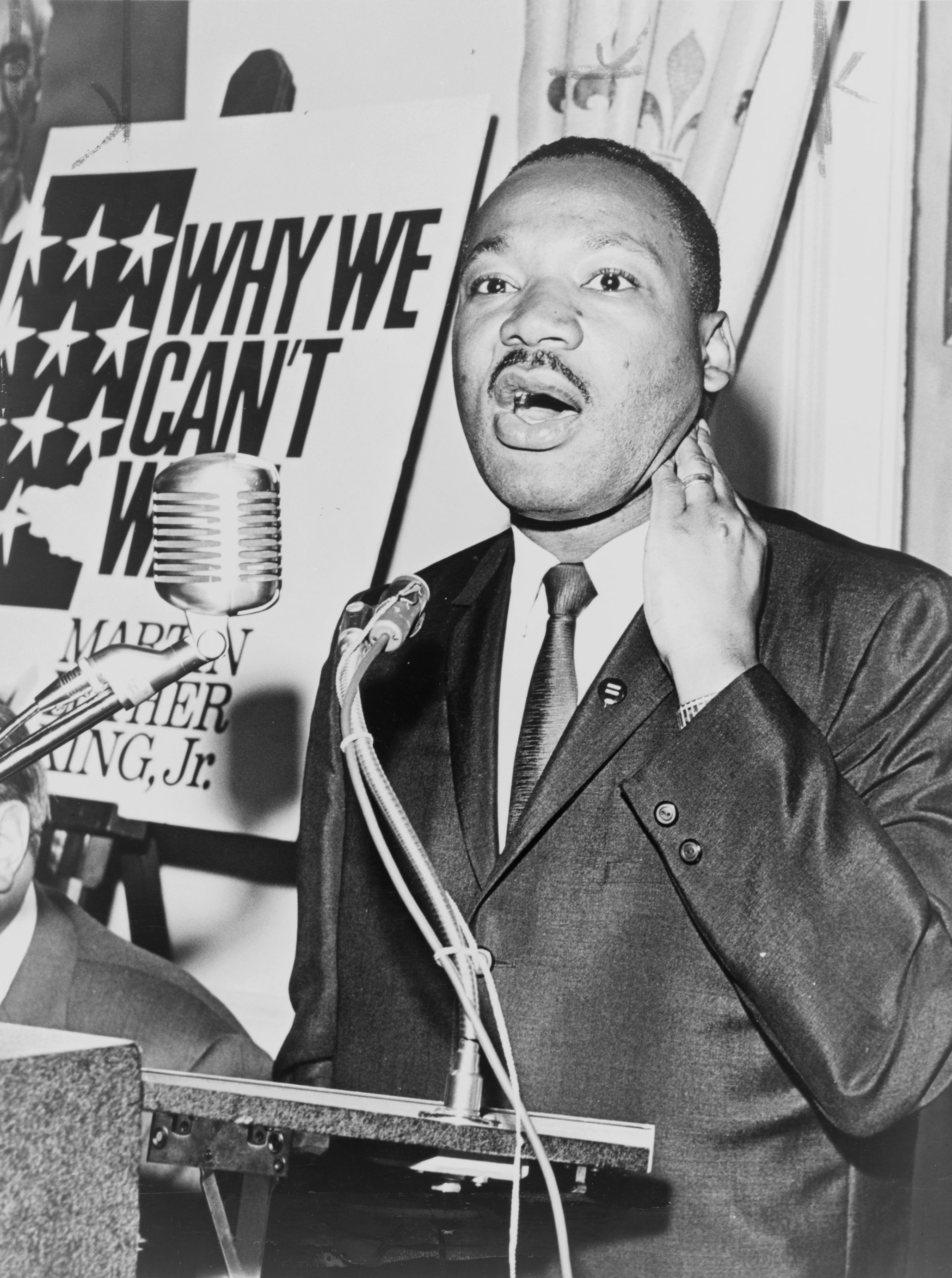
On October 14, 1964, Martin Luther King Jr. learned by phone from his wife, Coretta Scott King, that the Norwegian Nobel Committee had awarded him the Nobel Peace Prize, making him, at 35, the youngest recipient in the prize’s history to that point. The committee cited his leadership of the nonviolent civil rights movement in the United States, praising him as the first person in the Western world to demonstrate that a mass struggle for justice could be waged without resorting to violence.
King traveled to Oslo, Norway, with an entourage that included his father, Martin Luther King Sr., and accepted the prize at a formal ceremony on December 10, 1964. In his brief remarks that day, he stated he was accepting the award “on behalf of a civil rights movement which is moving with determination and majestic scorn for risk and danger to establish a reign of freedom and a rule of justice.” The following day, December 11, he delivered a longer Nobel Lecture at the University of Oslo, elaborating on the philosophy of nonviolent resistance and the struggle against racism, poverty, and war.
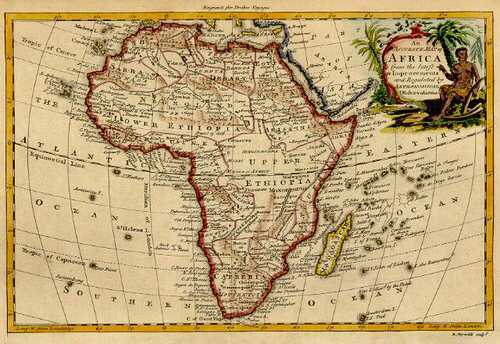
Within his Oslo remarks, King paid direct tribute to Chief Albert Luthuli, president-general of South Africa’s African National Congress and himself the 1960 Nobel Peace Prize laureate for his own nonviolent campaign against apartheid. King told the audience that in honoring his work, they were also honoring “the dedicated pilots of our struggle who have sat at the controls” of the freedom movement, and singled out Luthuli by name, noting that his fight against apartheid continued to be met with “the most brutal expression of man’s inhumanity to man.” This was less a formal dedication of the prize itself, in the sense of assigning it to Luthuli, than a pointed rhetorical gesture: King used the platform of his own award to redirect attention toward Luthuli’s ongoing struggle in South Africa, and more broadly toward what he called the unheralded “local people” throughout the movement whose sacrifices, in his account, made his recognition possible.
The two men, though rarely in direct contact given the difficulty of communication under apartheid-era restrictions, were mutual admirers who saw their respective campaigns as expressions of the same nonviolent, religiously grounded vision of a just, integrated society. King’s invocation of Luthuli in Oslo remains one of the clearest public statements linking the American civil rights movement to the anti-apartheid struggle a full three decades before Nelson Mandela’s release from prison in 1990.
Sources
- Stanford MLK Research and Education Institute — Nobel Peace Prize
- Stanford MLK Research and Education Institute — Lutuli, Albert J.
- The Nobel Prize — Martin Luther King Jr., Acceptance Speech
- The Nobel Prize — Albert Lutuli, Facts (1960 Nobel Peace Prize)
- The Nobel Prize — Martin Luther King Jr., Nobel Lecture, December 11, 1964
Books & Further Reading
Taylor Branch, Pillar of Fire: America in the King Years, 1963-65 (Simon & Schuster, 1998, ISBN 9780684848099)
Also posted once more between 2017 and 2017.