Published
Germany's Herero and Nama Genocide in Namibia, 1904-1908
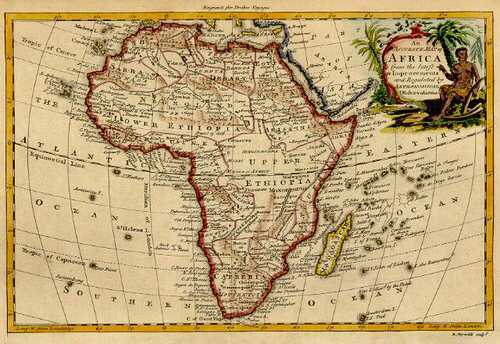
Between 1904 and 1908, German colonial forces in German South West Africa, now Namibia, carried out a campaign of mass killing against the Herero and Nama peoples that historians widely regard as the first genocide of the 20th century. By the time it ended, an estimated 50,000 to 65,000 Herero, roughly 80 percent of their pre-war population, and about 10,000 Nama, around half of theirs, were dead.
The violence began after decades of German settlers seizing Herero cattle and land under increasingly exploitative colonial rule. On January 12, 1904, Herero leader Samuel Maharero led an uprising against German settlements, killing more than 100 Germans, mostly men, in the opening days. Germany responded by sending General Lothar von Trotha with several thousand troops. In August 1904, Trotha’s forces cornered the main Herero force at the Battle of Waterberg. Rather than accepting the surviving Herero’s surrender, Trotha deliberately left a gap in his encirclement that funneled tens of thousands of Herero men, women, and children eastward into the waterless Omaheke, a fringe of the Kalahari. German patrols then sealed off the known waterholes behind them and, according to the order Trotha issued on October 2, 1904, were instructed to shoot any Herero man found within German-controlled territory, armed or not, and to fire over the heads of women and children to drive them further into the desert rather than take them prisoner. Thousands died of thirst and starvation in the following weeks; the vernichtungsbefehl, or extermination order, was only rescinded by Berlin in December 1904 after German officials began fearing the economic and diplomatic costs of losing the colony’s entire labor force.
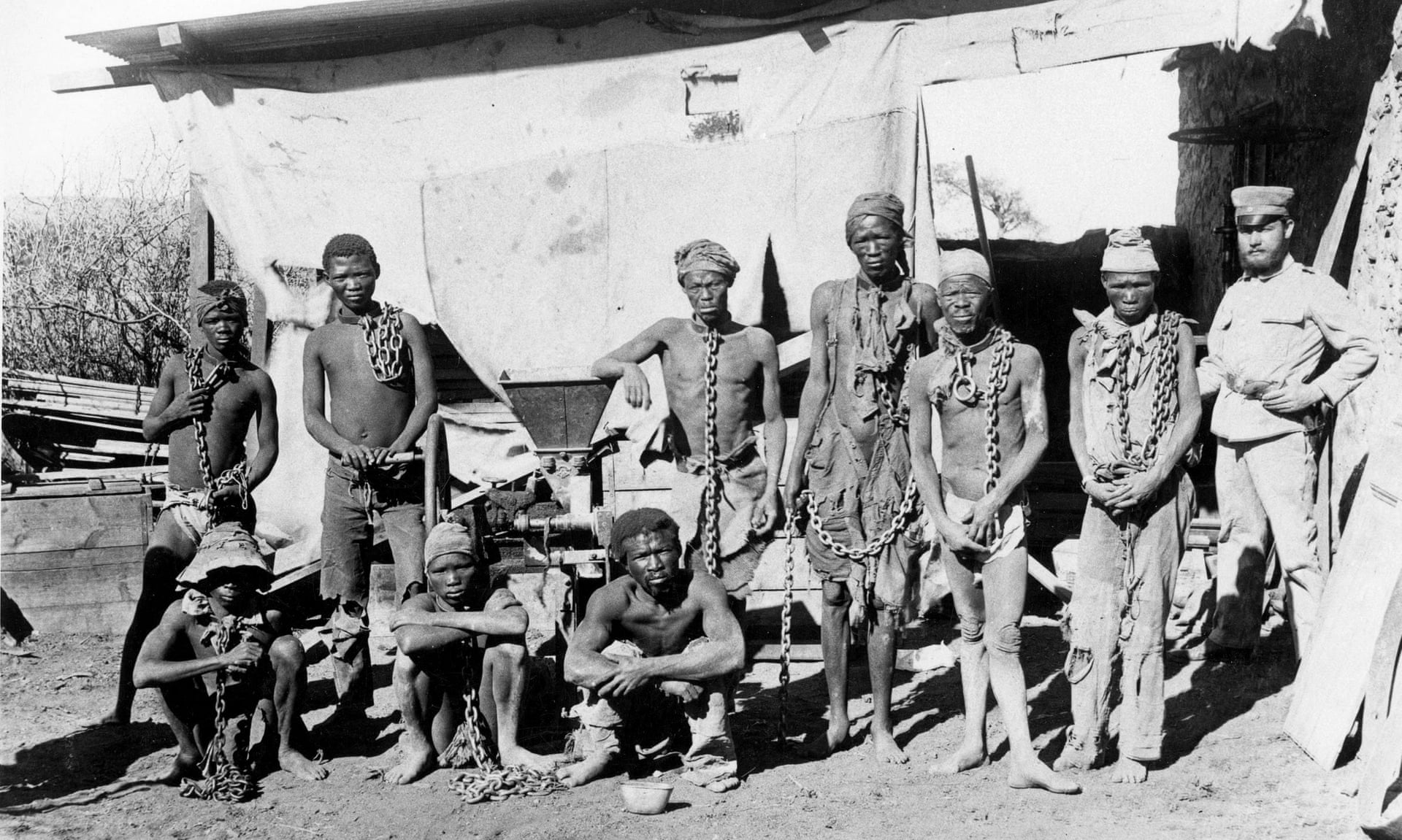
Survivors fared little better. Herero captured after the desert crossing, along with Nama fighters who rose up under Hendrik Witbooi later in 1904 after concluding they would suffer the same fate regardless of neutrality, were interned in concentration camps, a term the German administration itself used at the time. The camp on Shark Island, near Lüderitz, was the deadliest: prisoners were held on a wind-scoured peninsula with minimal food or shelter and worked to death building a railway and harbor, and death rates there are estimated to have run as high as 80 percent among some groups interned. Camp doctors also removed the heads of dead prisoners for shipment to German institutions for racial “research,” skulls that Germany did not begin returning to Namibia until 2011.
The genocide’s place in Namibian and German memory has been shaped by a long argument over whether it prefigured Nazi atrocities a generation later. Some historians and popular accounts describe it as a direct rehearsal for the Holocaust, pointing to the shared use of concentration camps, racial pseudoscience, and an explicit rhetoric of extermination, and noting that colonial administrator Heinrich Göring, father of Nazi official Hermann Göring, served in the same territory. Other historians caution against drawing a straight causal line from 1904 to the 1940s, arguing the comparison, while illuminating, risks overstating direct institutional continuity between the colonial and Nazi periods. What is not disputed is the scale of the killing and Germany’s long refusal to reckon with it: Berlin did not use the word “genocide” for the events until 2015, and only in May 2021 did the German government formally recognize them as such, coupling the acknowledgment with a pledge of 1.1 billion euros in development funding over 30 years, a settlement Herero and Nama descendant groups criticized as insufficient and negotiated without their direct participation.
Sources
Books & Further Reading
David Olusoga and Casper W. Erichsen, The Kaiser's Holocaust: Germany's Forgotten Genocide and the Colonial Roots of Nazism (Faber & Faber, 2010, ISBN 9780571231423)